









UPDATES

Automated Facilities Run on People With Different Skills
Over 70% of logistics operations globally report moderate to severe workforce challenges. The labor gap in warehousing and logistics is projected to reach hundreds of thousands of unfilled positions across major markets in the coming years, driven by physical job demands, an aging workforce population, and turnover rates that outpace most other industrial sectors. Younger workers entering the labor market are choosing away from physically demanding repetitive roles at a rate that facilities cannot offset through wage increases alone. This is a structural problem, and it predates the current automation wave by more than a decade.
Wage increases have not closed the gap. Higher pay helps with retention in competitive markets, but it does not address the fundamental mismatch between the physical profile of floor-level warehouse work and the expectations of the available labor pool. The facilities that have seen the most sustained relief from their staffing challenges are those that changed what the work looks like, not just what it pays.
The MHI 2025 Intralogistics Robotics Study puts the driver of automation decisions in plain terms: companies rank labor challenges first on the list of reasons to invest in robotics, ahead of throughput targets and cost reduction. In 2022, 23% of facilities reported using one or more robots in their operations. By 2025, that figure reached 48%. The shift from "future possibility" to present-day deployment happened fast, and it happened because facilities were running out of people to fill specific roles, in specific conditions, at the volumes that demand required.
The World Economic Forum's Future of Jobs Report 2025 projects that automation and AI will displace approximately 92 million roles globally by 2030 while generating 170 million new ones, a net addition of 78 million jobs to the global economy. Inside warehouses, the trajectory is consistent with that projection. Facilities that have deployed automation report a 35% increase in productivity and a 25% reduction in workplace injuries. 89% of full-time warehouse workers at automated facilities report higher job satisfaction. These figures describe a workforce being redirected toward higher-value work. Automated facilities still run on people, doing work that has shifted in kind and complexity.
The Work That Moves to Machines
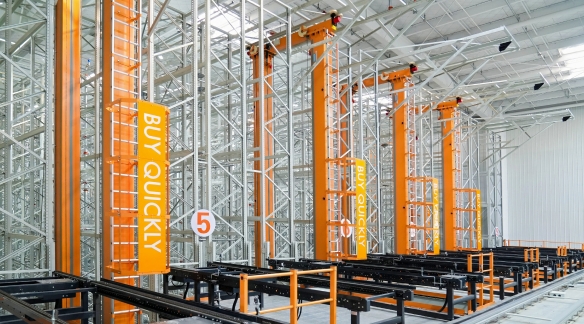
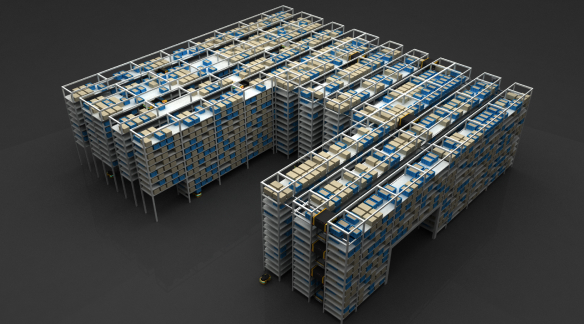
An AS/RS handling high-density storage and retrieval absorbs the pick-path walking that consumed hours of labor in environments that are cold, physically repetitive, or hard to staff. AMRs transporting goods between workstations take on the horizontal movement that accounts for a large share of daily floor time. The tasks remaining require human judgment: quality inspection and system maintenance. These are the roles that determine whether an automated facility performs at its design capacity. A stacker crane without calibrated operator oversight drifts in performance. An AMR fleet without skilled management develops inefficiencies that compound over months. The human role moves upstream, into the decisions that drive throughput.
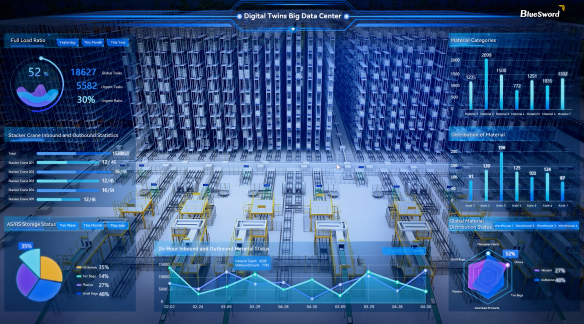
Those judgment tasks are more consequential than the ones they replace. An operator managing a live AS/RS is reading system performance data, identifying anomalies in cycle times, and making calls that affect the throughput of every aisle simultaneously. A maintenance engineer on an AMR fleet is diagnosing faults that, if missed, cascade into floor-wide slowdowns. These are decisions that require training, pattern recognition, and situational awareness. A stacker crane without calibrated operator oversight drifts in performance. An AMR fleet without skilled management develops routing inefficiencies that compound over months. The human role moves upstream, into the decisions that drive throughput, and the people filling those roles earn more, work in safer conditions, and carry more operational responsibility than those in the positions they replaced.
After Deployment, the Workforce Changes Shape
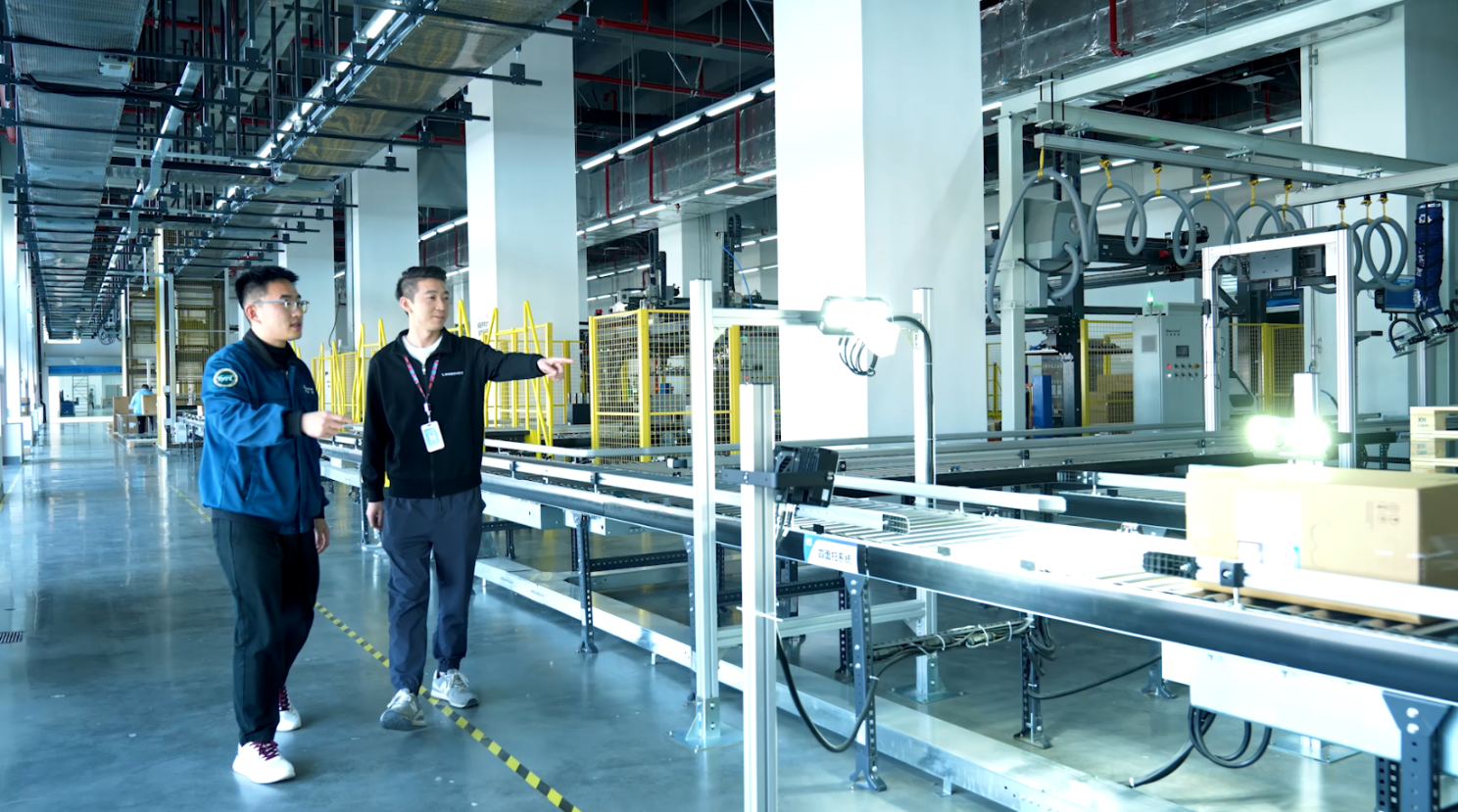
BlueSword has designed and deployed intralogistics automation systems across manufacturing, distribution, food and beverage, pharmaceutical, and e-commerce fulfillment environments. Across these projects, a pattern holds. Each deployment generates roles that did not exist before the system went live. Operators take on WMS monitoring and exception management. Engineers specialize in the mechanical and electrical subsystems of the installed equipment. Process analysts track throughput data and refine flow parameters as the system matures. The workforce profile that emerges is more technically complex than the one it replaces, and the turnover rate in those roles is measurably lower. People stay longer in positions that require skill and carry responsibility.
The roles that automation absorbs tend to be the ones facilities already struggle to fill. Certified equipment operators ranked among the hardest positions to recruit in 2025. Turnover in manual picking functions outpaces most other warehouse categories, driven by physical demands and limited career progression. Facilities that have completed major AS/RS or shuttle system installations see the workforce profile shift toward supervisory and technical roles in the months following deployment. The positions with the highest pre-project vacancy rates are the same ones the system takes over. Automation addresses a recruitment problem as much as a productivity one, and in many of the projects BlueSword has completed, that recruitment relief was the more immediate operational benefit.
The broader intralogistics market reflects this pattern at scale. The global intralogistics market reached $63.71 billion in 2024 and is projected to grow to $112.17 billion by 2030, at a CAGR of 9.4%. Investment at that scale does not flow into technology that removes people from facilities. It flows into systems that allow facilities to perform at throughput levels and accuracy rates that manual operations cannot sustain, staffed by a workforce that can be recruited, trained, and retained.
Training Is Part of the Project
67% of organizations globally are expanding supply chain and technical training alongside automation adoption, according to current industry data. The WEF projects that 85% of employers will prioritize upskilling as their core workforce strategy through 2030. Facilities that treat automation as a reason to reduce training investment underperform against those that increase it. The technical complexity of an automated system requires operators who can run it at design capacity, and that capability does not arrive with the equipment. Operators and systems partners have to build it together, before go-live and in the months that follow.
System architecture choices shape the roles a facility creates and retires. A project that automates inbound receipt but leaves put-away manual requires a different workforce plan than one with integrated end-to-end flow. A shuttle-based buffer alongside manual sortation demands different skill sets than a fully automated picking environment. BlueSword treats workforce integration as a specification requirement alongside mechanical and software performance targets. Before construction begins, the project scope defines which roles the new system creates, what those operators need to know, and how that knowledge transfers from the systems partner to the facility team. A system that generates accurate throughput data but lacks operators positioned to act on it will run below its design capacity within months of go-live.
Training timelines matter as much as training content. In BlueSword's project experience, facilities that run formal operator training programs in parallel with installation reach design throughput faster after go-live than those that schedule training after the system is already running. The difference is not marginal. It shows up in throughput data within the first quarter of operation, and it compounds over the first year as operators build proficiency on live equipment. Treating training as a pre-installation activity rather than a post-installation catch-up is one of the clearest performance differentiators BlueSword sees across comparable projects.
The Facilities That Get This Right
Robot installations in manufacturing and logistics have grown 5-7% annually since 2020. Equipment costs have fallen approximately 40% over the past two years, bringing automation within reach of facility types and scales that could not justify the investment before. By 2025, more than 4 million commercial warehouse robots were installed across over 50,000 warehouses globally. The automation footprint will keep expanding, and at an accelerating pace as the cost curve continues to fall.
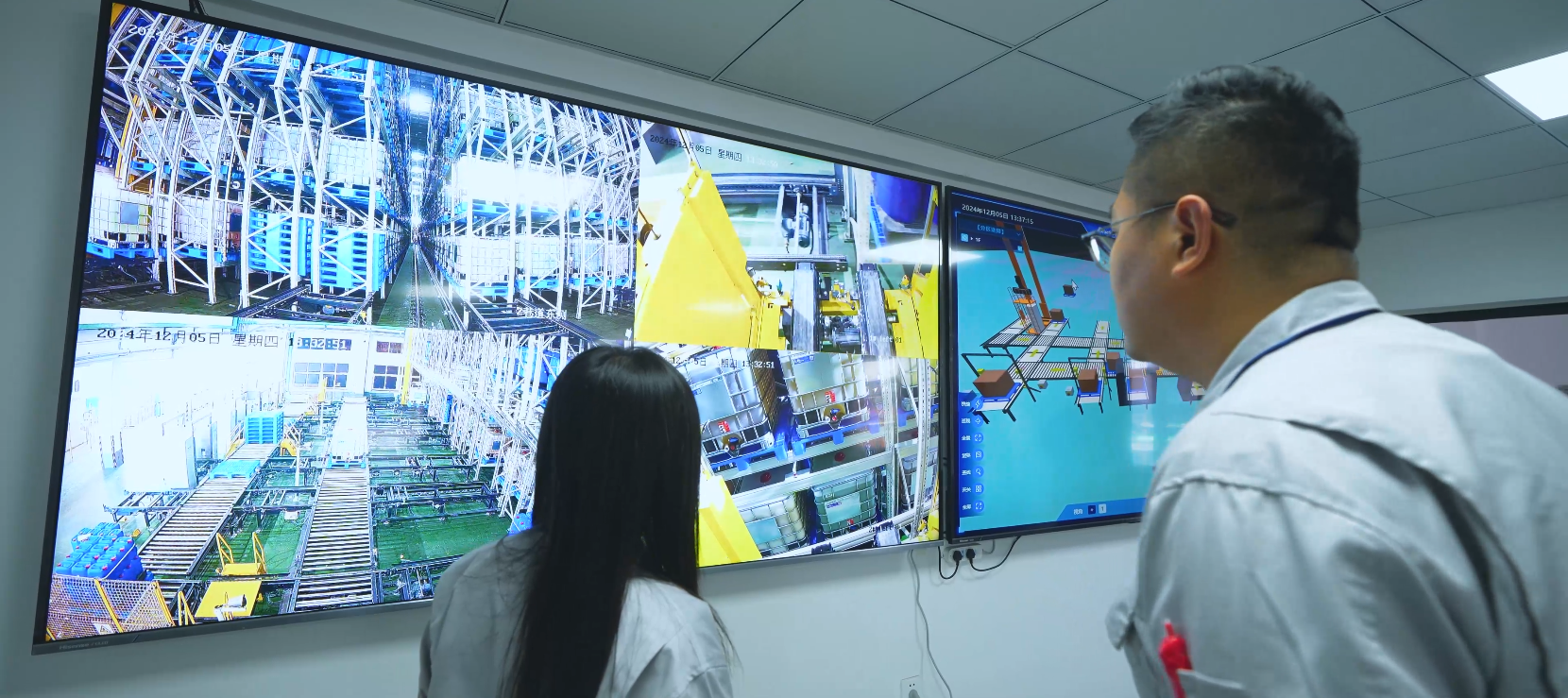
The facilities that manage this transition well make a specific set of decisions early. They assess their workforce profile before selecting equipment, identifying which roles automation will absorb and which new roles the system will require. They build training infrastructure into the project plan and treat it as a deliverable with timelines and accountability, not an optional add-on. They select technology partners who engage on workforce design from the first project conversation, and who remain present through the post-installation period when operators are building real competency on live systems under production conditions.
BlueSword's position, built across years of intralogistics project experience across multiple industries and geographies, is that automation succeeds when the facility it produces runs safer, performs more reliably, and creates working conditions that a skilled workforce can sustain and develop within. The goal has never been an empty warehouse. It has been a warehouse that performs better, with people doing work that is worth their capability.
If your facility is planning an automation project and workforce transition is part of the conversation, we would like to hear where you are in that process. Please reach out to the BlueSword team directly to discuss your specific operational context.
Read More
-

 September 29 / 2026Beyond the Quote: What an Automated Warehouse Costs Over Its Working Life
The real cost of warehouse automation goes far beyond the initial quote. Discover the hidden costs of installation, downtime, maintenance, energy, upgrades, and expansion—and how smarter system design can keep them under control.
READ MORE
-
 June 29 / 2026Inside the Electronics Factory: What Changed in Material Handling This YearREAD MORE
-
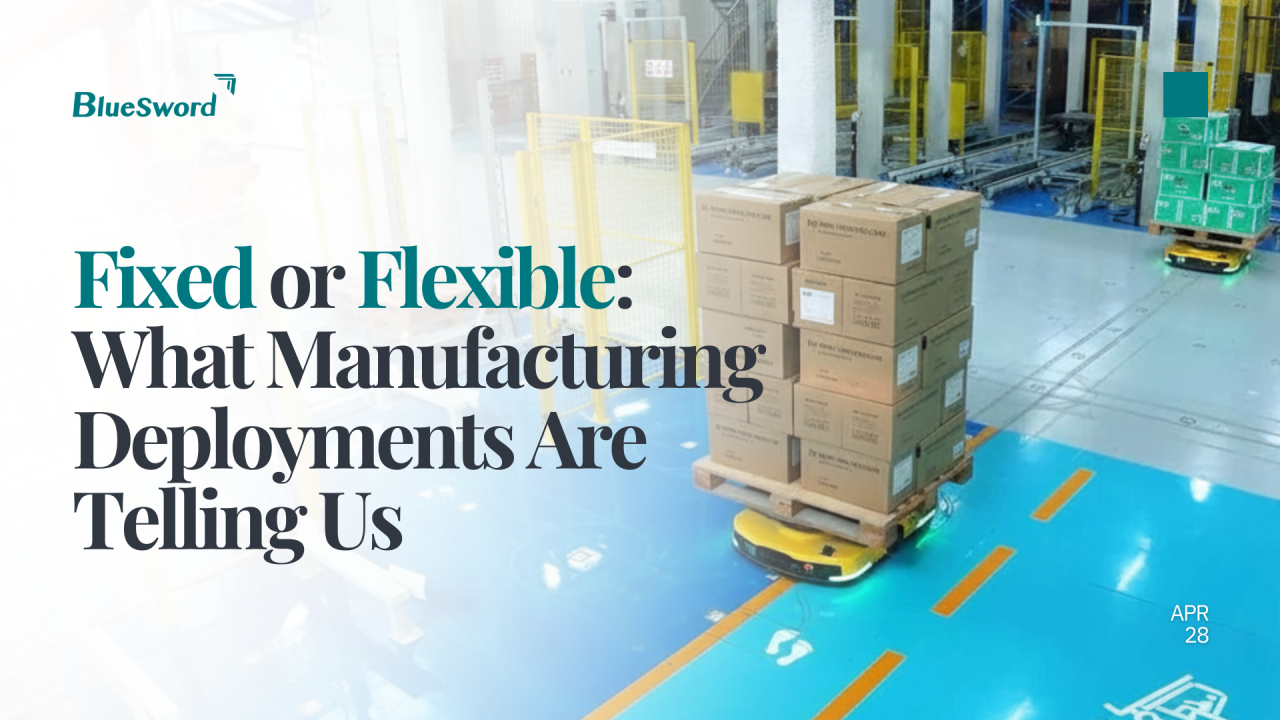 April 28 / 2026Fixed or Flexible: What Manufacturing Deployments Are Telling Us
Fixed infrastructure once defined manufacturing efficiency. But as production cycles shorten and flexibility becomes critical, mobile automation is changing how factories think about material flow.
READ MORE
-
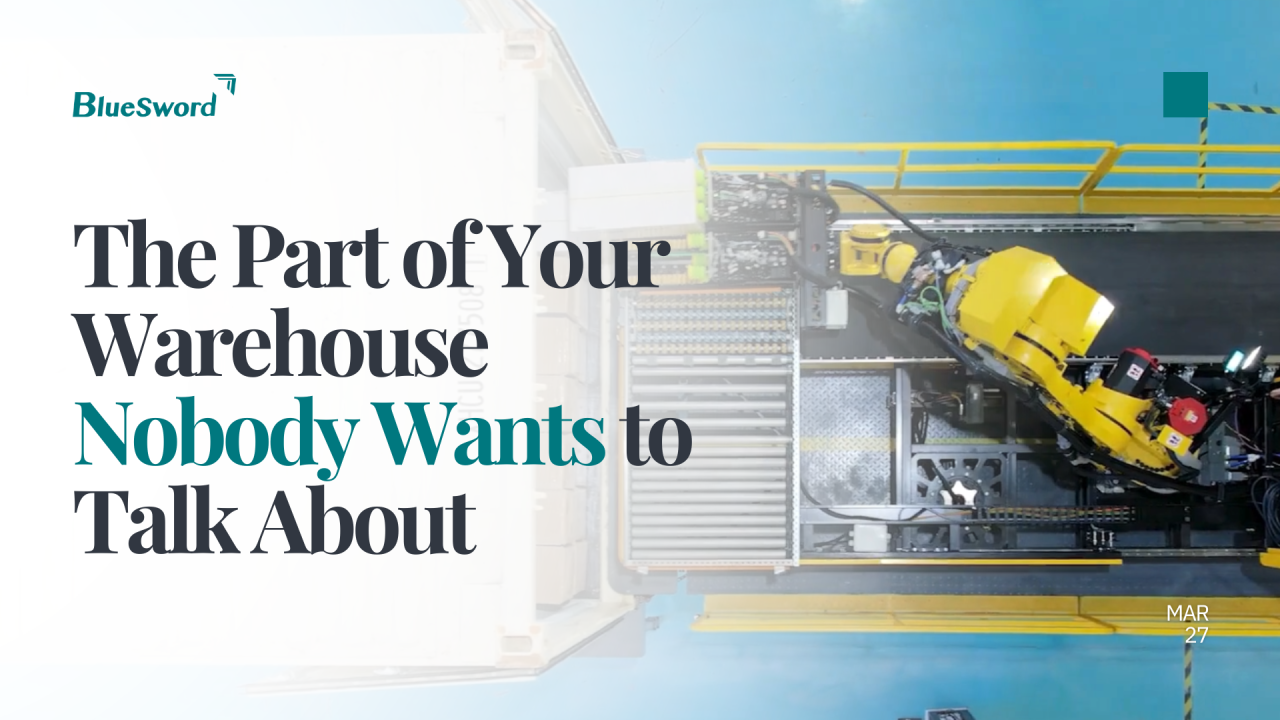 March 27 / 2026The Part of Your Warehouse Nobody Wants to Talk About
The warehouse's biggest bottleneck may not be where you think. BlueSword looks at why the dock is becoming the next frontier of automation.
READ MORE
-
 January 28 / 20262026 Manufacturing Upgrade and Industry Trends
As manufacturers plan toward 2026, automation, smart manufacturing, and integrated material flow are becoming central to capacity and resilience. This article explores industry trends, labor constraints, and how integrated warehouse and production automation help reduce internal logistics losses and support phased manufacturing upgrades.
READ MORE
-
 September 24 / 2025Why Automated Warehousing Matters
Global supply chains face constant disruption. Automation is redefining warehouses as resilient hubs that keep goods moving no matter the challenge.
READ MORE
-
 August 27 / 2025How Automation Changes the Nature of Frontline Work: Confidence, Retention, and Workforce Value
Automation is no longer just about efficiency—it’s transforming warehouses and factories into safer, smarter, and more rewarding places to work.
READ MORE
-
 August 19 / 2025Automation in Logistics: Solving Workforce Challenges with Smart Systems
Discover smart logistics solutions with AMRs, shuttle systems, and automated warehouses. Future-proof your supply chain with intelligent intralogistics systems.
READ MORE
-
 July 25 / 2025Robotics Driving Real Safety Transformation in Factories and Warehouses
Safety in factories and warehouses is often discussed in terms of compliance and injury rates. But true safety goes beyond meeting standards. It requires addressing the root causes of risks and understanding how automation reshapes the daily reality for frontline workers—physically and mentally.
READ MORE
-
 May 25 / 2025Are Warehouse Robots Here to Replace Workers—Or to Back Them Where It Counts?
Automation is advancing fast—but where does that leave the people on the ground? This article explores why the future of warehousing isn't a story of replacement, but one of smart collaboration. With real-world cases from BlueSword and global data, we dive into what human-machine partnerships really look like on the warehouse floor.
READ MORE
-
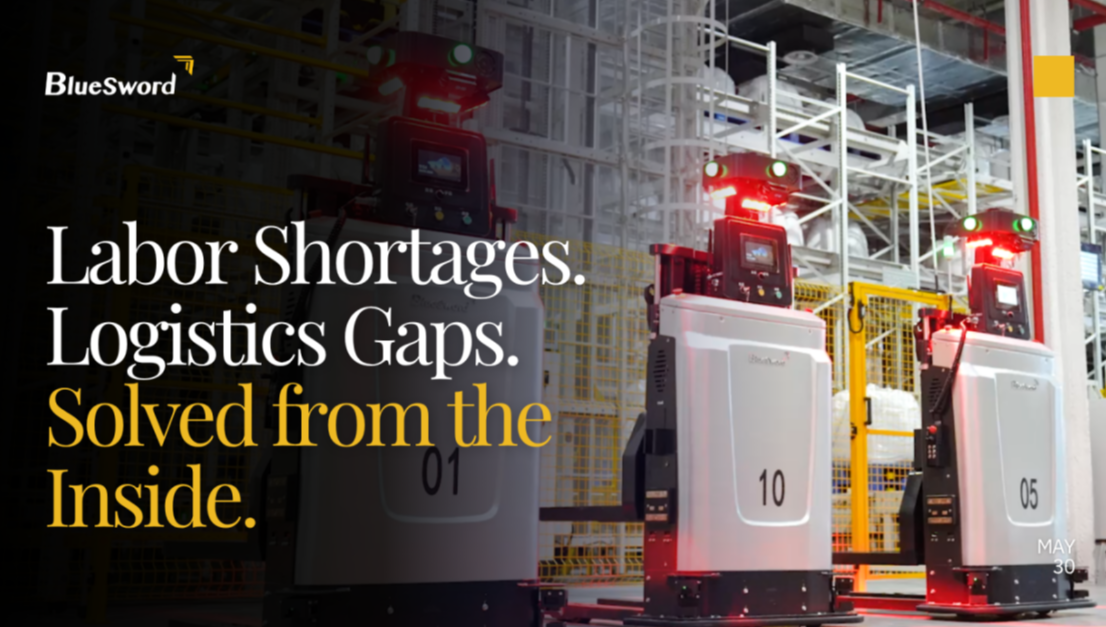 March 30 / 2025What’s Slowing Down Manufacturing—and What Leading Factories Are Doing About It
While automation continues to gain attention across the production line, internal logistics often remains untouched in traditional manufacturing plants.
READ MORE
-
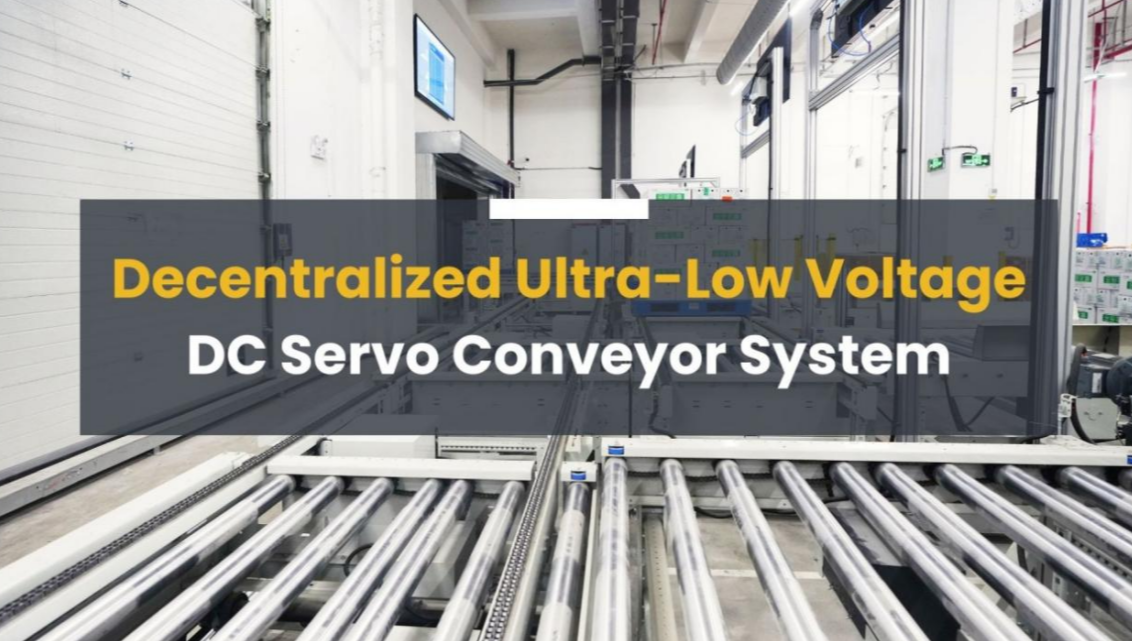 January 2 / 2025Building a Green Logistics Ecosystem with Servo Technology
The conveyor system is essential in modern production and logistics, facilitating the efficient storage, sorting, handling, and distribution of materials. By automating transport processes, it enhances efficiency, accuracy, and safety while effectively reducing labor costs.
READ MORE
-
 September 29 / 2024Logistics Transformation: Navigating Challenges in the FMCG Industry
Fast-moving consumer goods (FMCG) are an essential part of our everyday lives. With their large market size and ongoing growth, the FMCG industry plays an important role in the global economy.
READ MORE


