








UPDATES

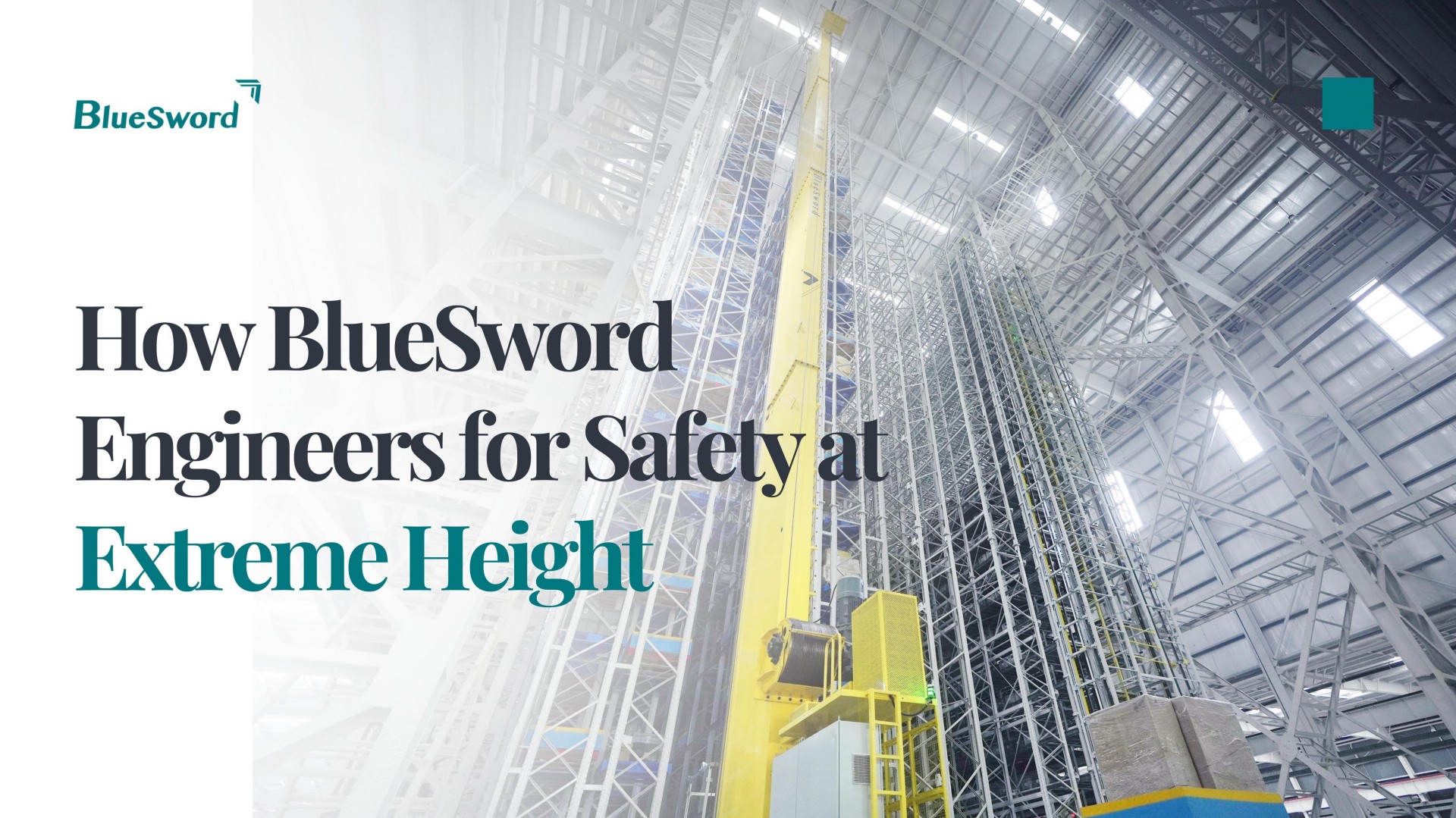
When BlueSword first published height and speed data on its Super Logistics Center, the most common question that came back wasn't about performance — it was about safety. How do you keep a stacker crane stable at 45+ meters, moving at speed, without compromise? The answer comes down to three layers: hardware, software, and installation method.
Hardware Innovation: Structural Rigidity for Extreme-Height Stacker Cranes
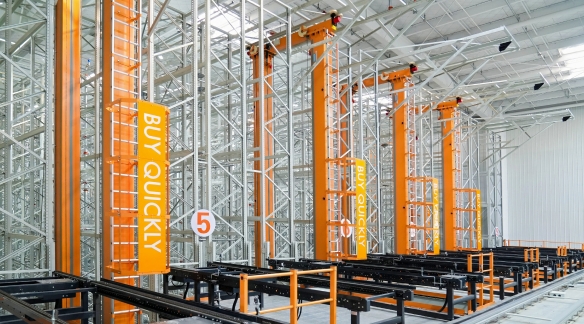
Beyond the racking system's 21-fold design, the automated stacker crane column itself uses a hollow cavity design that improves rigidity and reduces deflection and sway, manufactured to hold straightness within ±3mm. The overall structure follows a tree-like principle — heavier at the base, lighter at the top — to lower the center of gravity and improve stability.
For transport and installation, the main structure splits into five modules, with the upper beam integrated into the upper column section to reduce top-heaviness and minimize oscillation at height. Reinforced bolt connections add strength at the joints, and because taller columns mean significantly more overall crane weight, the traveling wheels are made from the same material grade used in high-speed rail wheels, machined to higher precision for toughness and wear resistance.
Software Control: Finite Element Modeling and Dynamic Anti-Sway Algorithms
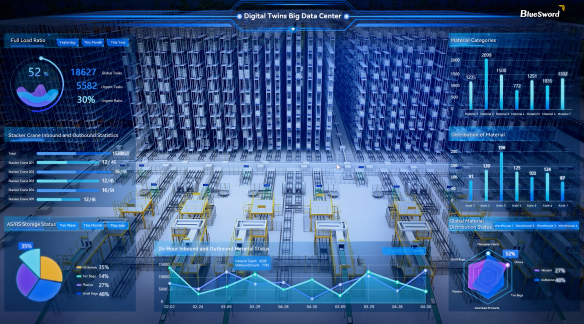
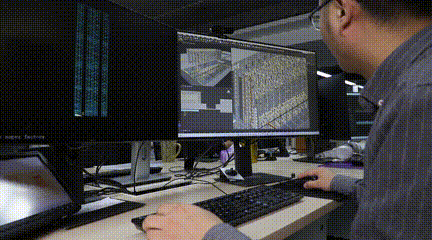
Every design goes through finite element analysis simulation before construction to validate structural safety. During operation, higher-order S-curve motion control reduces vibration after the crane stops and shortens the gap between crane movement and fork action, while a drive system with built-in anti-sway algorithms adds further stability during motion.
Ground-Level Assembly: Modular Installation Reduces High-Altitude Risk
Compared with conventional double-column stacker cranes of similar height, BlueSword's design reduces installation modules from 9 to 5, cutting installation time by roughly 40%, with reinforced connections helping maintain installation accuracy.
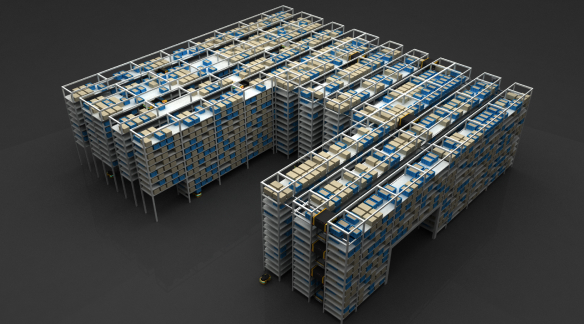
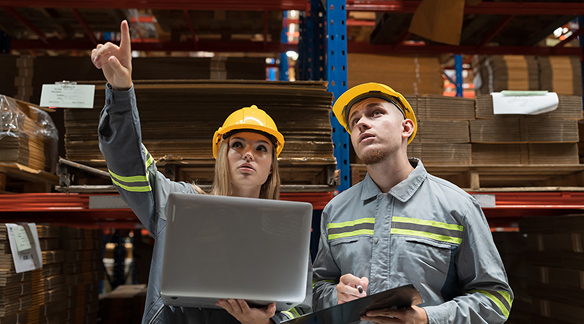
The racking system uses modular integrated lifting, which shifts most high-altitude work to ground-level assembly — reducing the number of workers operating at height and relying more on cranes, articulated boom lifts, and scissor lifts during hoisting. Ground-based assembly with pre-fabricated positioning fixtures also improves precision, since quality inspection at ground level is inherently more reliable than inspection performed at height. And because fire protection pipeline installation can proceed in parallel with modular racking assembly, overall project delivery moves faster.
Traditional rack installation, by contrast, relies on manually lifting most components with pulleys or winches — a method that gets less efficient as height increases and carries a real risk of falling objects, an occasional but real safety issue in the industry. Ground-based operations remove much of that risk while improving both speed and quality.
Safety and stability run through every stage of this process — design, manufacturing, and installation — which is what allows BlueSword, as a stacker crane manufacturer, to deliver smart warehouses at extreme heights without treating safety as a trade-off against performance.
Read More
-

 June 29 / 2026Inside the Electronics Factory: What Changed in Material Handling This YearREAD MORE
-
 April 28 / 2026Fixed or Flexible: What Manufacturing Deployments Are Telling Us
Fixed infrastructure once defined manufacturing efficiency. But as production cycles shorten and flexibility becomes critical, mobile automation is changing how factories think about material flow.
READ MORE
-
 March 27 / 2026The Part of Your Warehouse Nobody Wants to Talk About
The warehouse's biggest bottleneck may not be where you think. BlueSword looks at why the dock is becoming the next frontier of automation.
READ MORE
-
 January 28 / 20262026 Manufacturing Upgrade and Industry Trends
As manufacturers plan toward 2026, automation, smart manufacturing, and integrated material flow are becoming central to capacity and resilience. This article explores industry trends, labor constraints, and how integrated warehouse and production automation help reduce internal logistics losses and support phased manufacturing upgrades.
READ MORE
-
 September 24 / 2025Why Automated Warehousing Matters
Global supply chains face constant disruption. Automation is redefining warehouses as resilient hubs that keep goods moving no matter the challenge.
READ MORE
-
 August 27 / 2025How Automation Changes the Nature of Frontline Work: Confidence, Retention, and Workforce Value
Automation is no longer just about efficiency—it’s transforming warehouses and factories into safer, smarter, and more rewarding places to work.
READ MORE
-
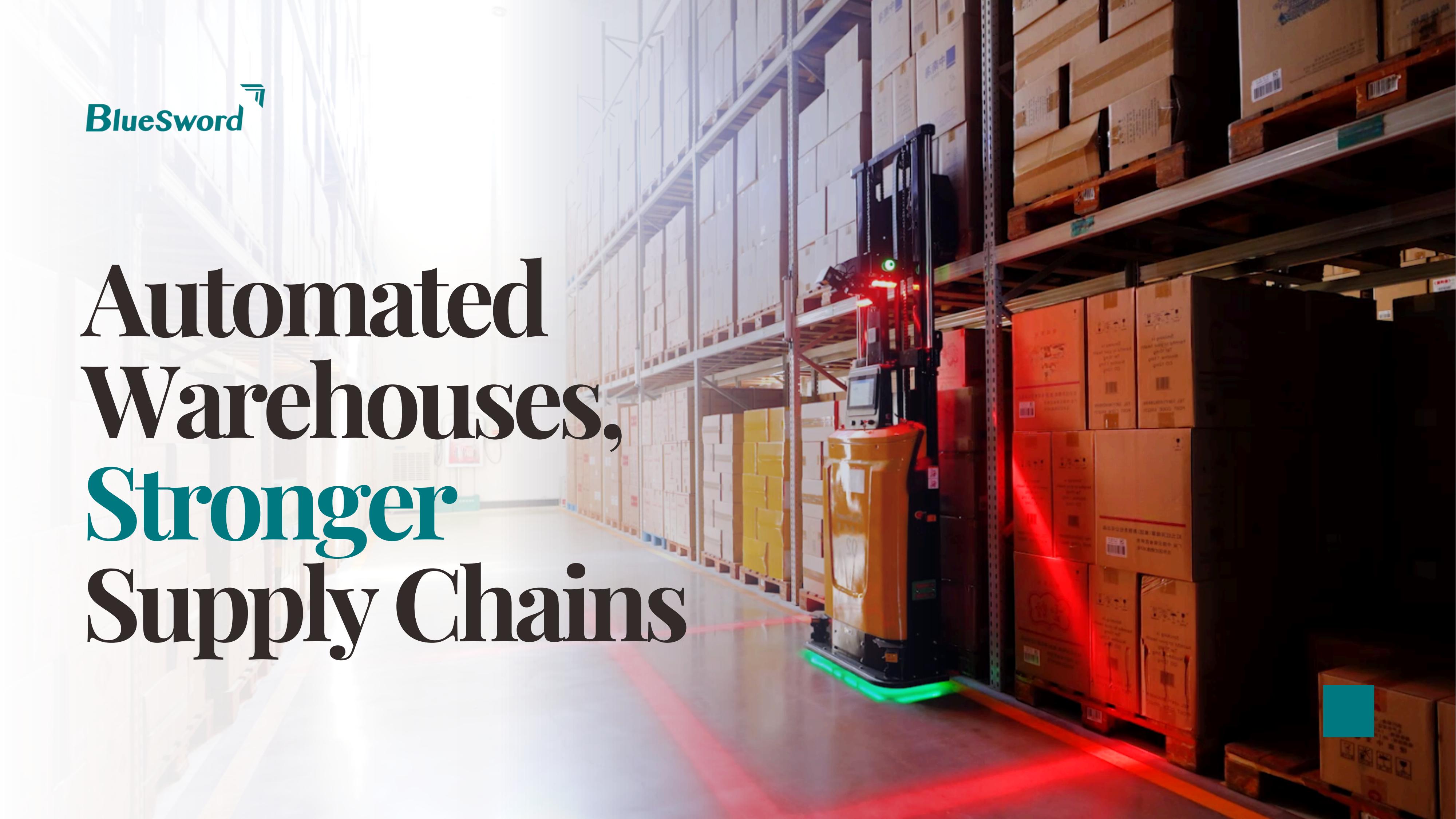 August 19 / 2025Automation in Logistics: Solving Workforce Challenges with Smart Systems
Discover smart logistics solutions with AMRs, shuttle systems, and automated warehouses. Future-proof your supply chain with intelligent intralogistics systems.
READ MORE
-
 July 25 / 2025Robotics Driving Real Safety Transformation in Factories and Warehouses
Safety in factories and warehouses is often discussed in terms of compliance and injury rates. But true safety goes beyond meeting standards. It requires addressing the root causes of risks and understanding how automation reshapes the daily reality for frontline workers—physically and mentally.
READ MORE
-
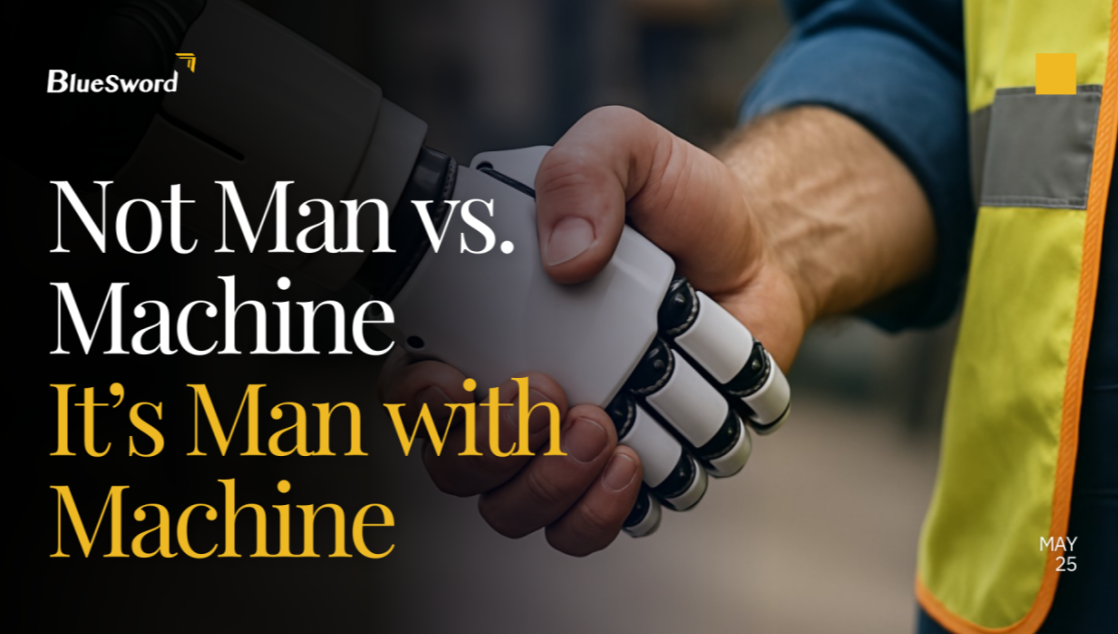 May 25 / 2025Are Warehouse Robots Here to Replace Workers—Or to Back Them Where It Counts?
Automation is advancing fast—but where does that leave the people on the ground? This article explores why the future of warehousing isn't a story of replacement, but one of smart collaboration. With real-world cases from BlueSword and global data, we dive into what human-machine partnerships really look like on the warehouse floor.
READ MORE
-
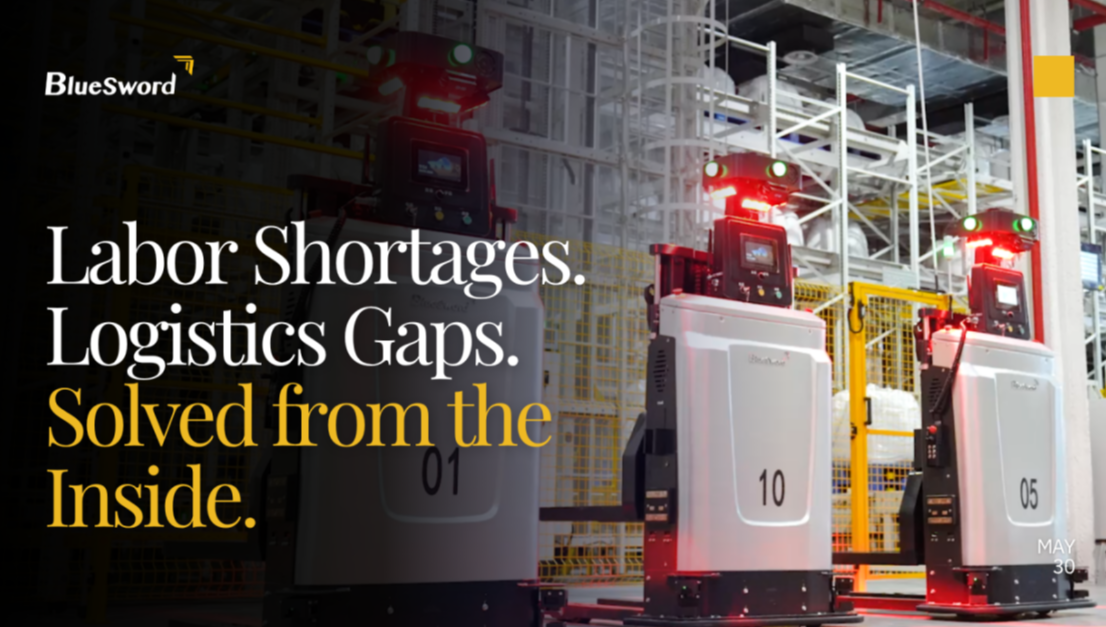 March 30 / 2025What’s Slowing Down Manufacturing—and What Leading Factories Are Doing About It
While automation continues to gain attention across the production line, internal logistics often remains untouched in traditional manufacturing plants.
READ MORE
-
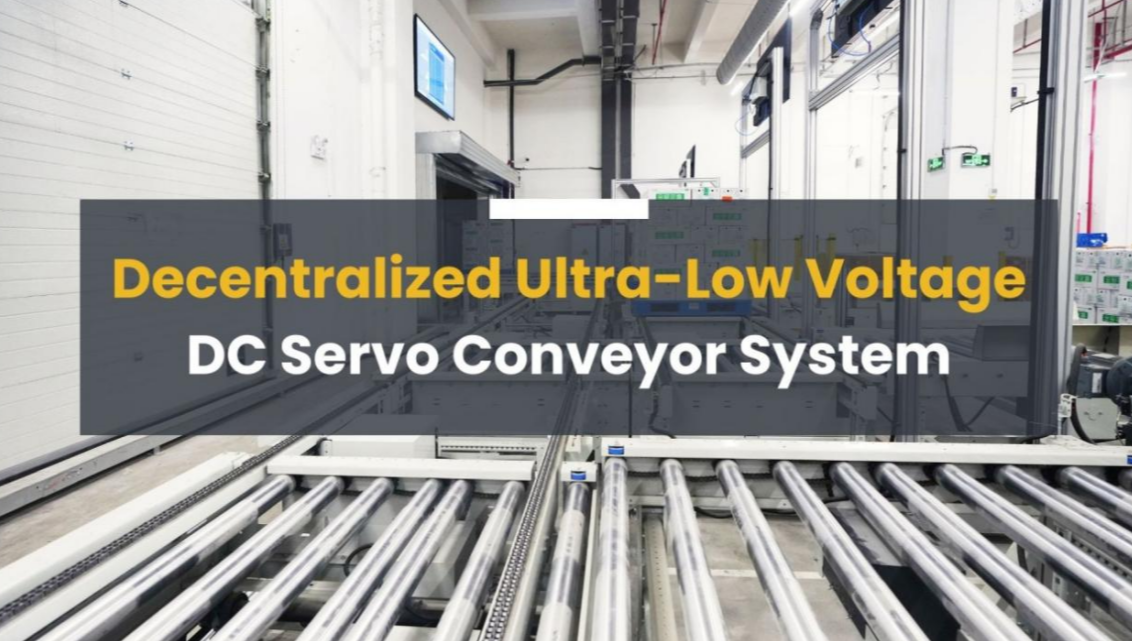 January 2 / 2025Building a Green Logistics Ecosystem with Servo Technology
The conveyor system is essential in modern production and logistics, facilitating the efficient storage, sorting, handling, and distribution of materials. By automating transport processes, it enhances efficiency, accuracy, and safety while effectively reducing labor costs.
READ MORE
-
 September 29 / 2024Logistics Transformation: Navigating Challenges in the FMCG Industry
Fast-moving consumer goods (FMCG) are an essential part of our everyday lives. With their large market size and ongoing growth, the FMCG industry plays an important role in the global economy.
READ MORE


