








UPDATES

In today’s complex logistics landscape, effective risk management is crucial for maintaining operational efficiency and safeguarding against disruptions. BlueSword, a leader in logistics solutions, harnesses the power of digital twin technology to enhance risk management strategies for logistics & warehouse operations. This article explores how digital models, particularly logistics & warehouse digital twins, play a vital role in identifying, analyzing, and mitigating risks in the logistics sector.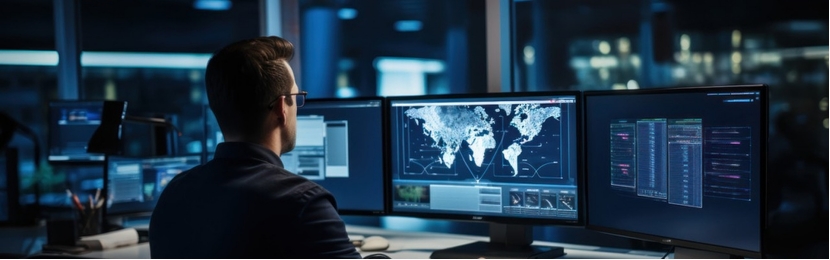
The Functionality of Digital Twins in Logistics
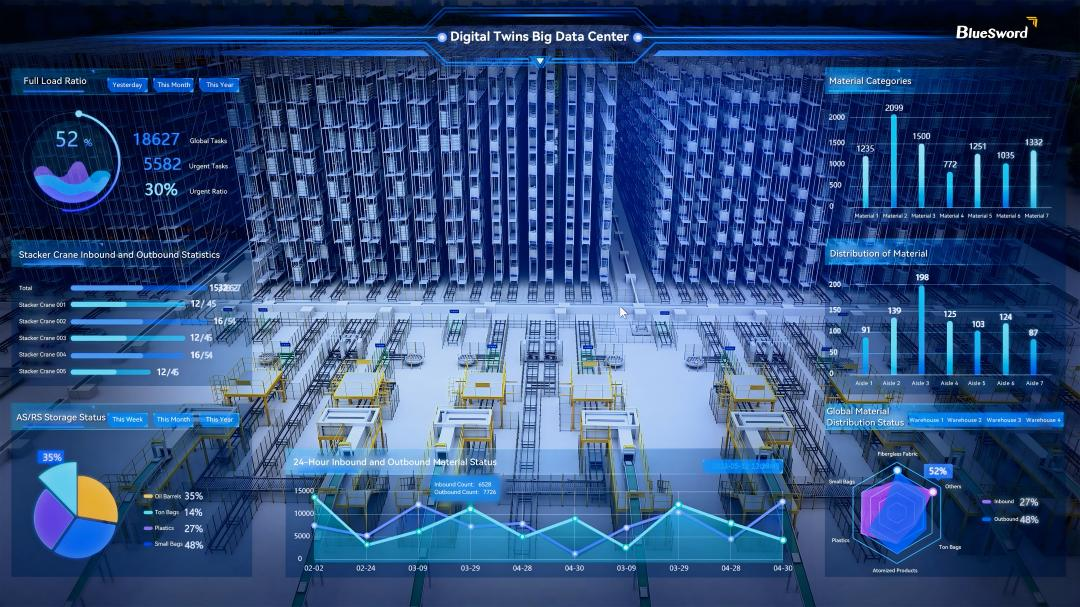
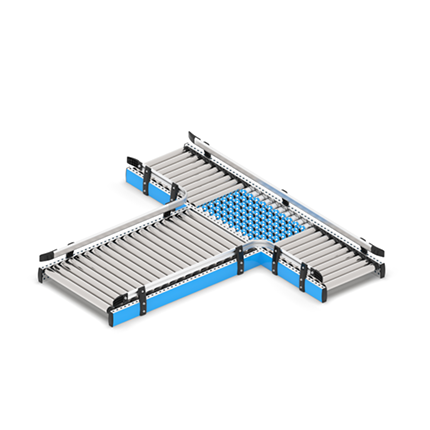
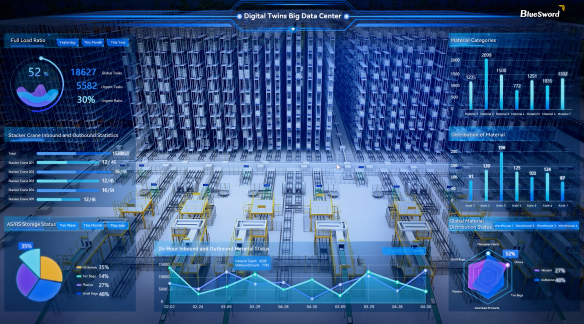
Digital twins in logistics are virtual representations of physical assets, processes, and systems that provide real-time insights through simulations and data analysis. BlueSword’s VirtuSync Digital Twins platform exemplifies how these digital models can revolutionize risk management in logistics. By employing a rich library of automated logistics equipment models, companies can create dynamic and accurate simulations of their operations.
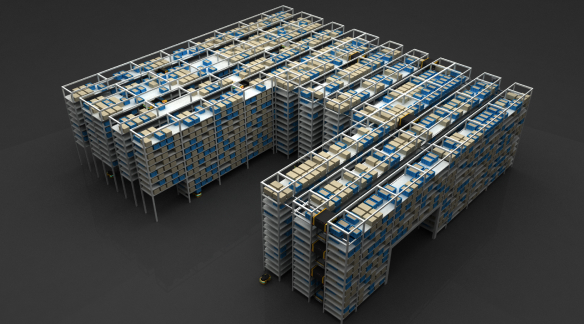
Efficient 3D Design Solutions: The platform allows for efficient creation of 3D design solutions based on real-world parameters. This capability is essential for visualizing the entire logistics operation and identifying potential risks associated with layout designs or equipment configurations. With component-level precision, stakeholders can assess the impact of different design choices on operational efficiency and safety.
Dynamic Equipment Adjustments: One of the key advantages of digital twins is the ability to dynamically adjust equipment parameters. This functionality enables logistics managers to simulate various scenarios, such as equipment failures or supply chain disruptions, and evaluate the potential impacts on operations. By understanding these risks in advance, companies can develop contingency plans that minimize disruption.
Incorporating a variety of CAD-like tools, BlueSword’s digital twins enable users to analyze complex logistics networks and optimize workflows, creating a robust framework for risk assessment and management.
Enhancing Predictive Analytics and Decision Making
The utilization of digital twins significantly enhances predictive analytics, which is essential for proactive risk management in logistics. By leveraging real-time data exchange, organizations can continuously monitor performance metrics and conditions across their operations.
Proactive Risk Identification: With advanced algorithms integrated into the digital twin models, logistics companies can identify potential risks before they escalate into significant issues. For instance, monitoring equipment performance data can reveal patterns that indicate possible failures, allowing for proactive maintenance and reducing the likelihood of unexpected downtime.
Improving Supply Chain Transparency: Digital twins provide enhanced visibility into the entire supply chain. This transparency is critical for risk management, as it allows companies to track inventory levels, shipping statuses, and demand fluctuations in real-time. By having a comprehensive view, logistics managers can make informed decisions quickly, mitigating risks associated with delays or shortages.
Scenario Planning and Simulation: The ability to run high-fidelity simulations with logistics & warehouse digital twins allows for effective scenario planning. Companies can evaluate the impacts of various operational strategies or external factors, such as market shifts or natural disasters, on their supply chains. This capability supports informed strategic planning and equips organizations to respond more effectively to potential challenges.
The Future of Risk Management in Logistics
The integration of digital twins in logistics is transforming how companies approach risk management. BlueSword’s VirtuSync Digital Twins platform highlights the importance of using advanced digital models to navigate complex logistics environments effectively.
In summary, logistics & warehouse digital twins play a crucial role in supporting risk management by providing detailed insights, facilitating predictive analytics, and enabling scenario planning. As the logistics industry continues to evolve, the adoption of digital twin technology will become increasingly vital for organizations seeking to optimize operations and mitigate potential risks. By embracing these advanced solutions, logistics companies can enhance their resilience and ensure a more sustainable future in an ever-changing market.