







UPDATES

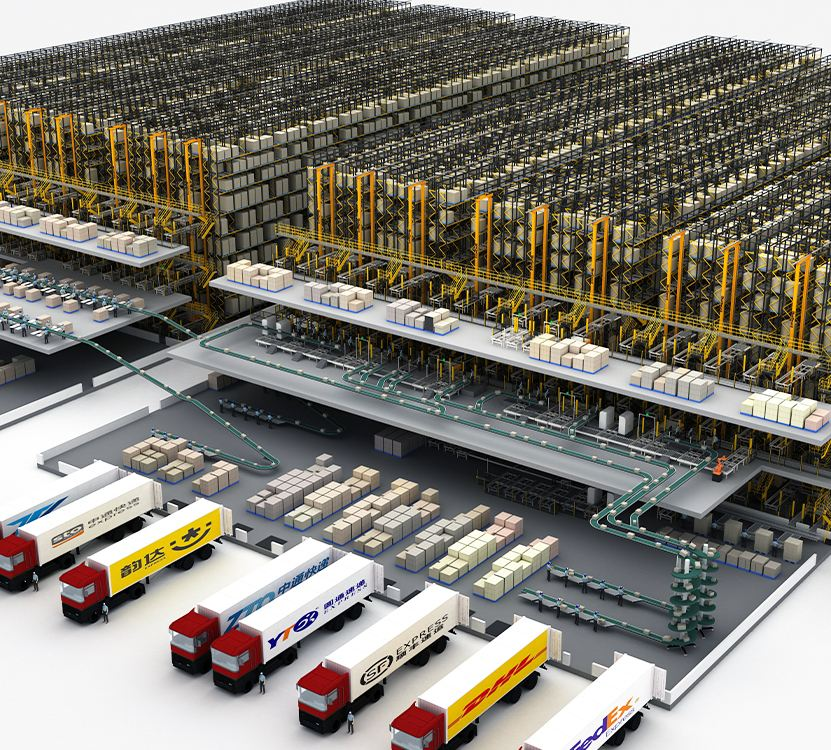
In the competitive landscape of fast-moving consumer goods (FMCG), warehouses are increasingly turning to automation systems to effectively scale their operations. BlueSword, a leader in providing innovative logistics solutions, supports FMCG logistics companies in enhancing their supply chain strategies through advanced automation. This article explores how warehouses leverage automation to optimize their operations and adapt to the evolving demands of the market.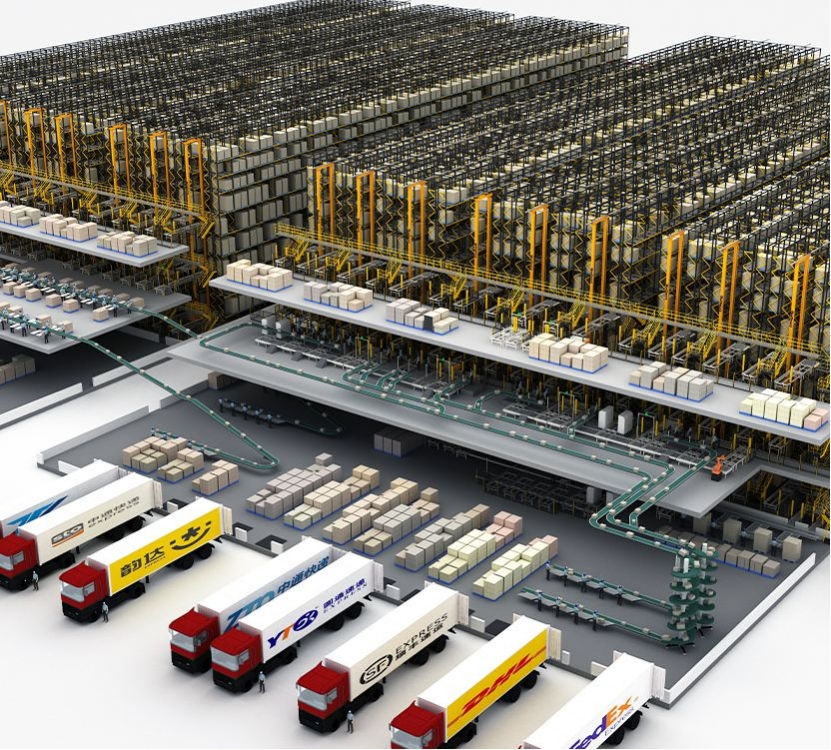
Understanding the Need for Automation in FMCG Warehouses
The FMCG industry plays a crucial role in daily life, contributing significantly to the economy. However, the rapid growth and evolving consumer preferences require companies to adapt their production and supply chain strategies swiftly. Implementing automation in warehouses is essential for maintaining a competitive edge.
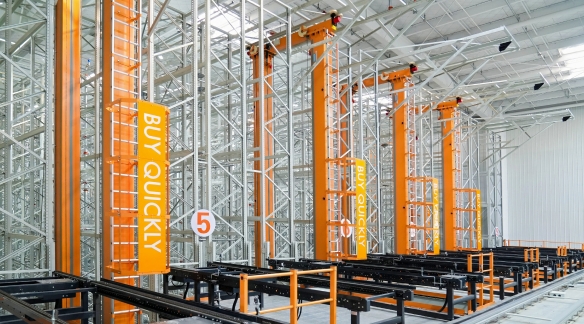
Automated logistics solutions enable FMCG logistics companies to handle increased order volumes and complex inventory management with greater efficiency. By integrating advanced technologies, warehouses can streamline their operations, reduce manual labor, and enhance overall productivity. For example, BlueSword’s advanced S-curve control technology allows stacker cranes to operate stably at speeds of 240 m/min, facilitating fast order picking and enabling warehouses to respond quickly to customer demands.
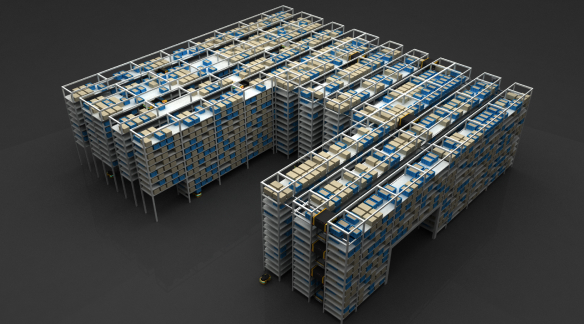
Another crucial aspect of automation is the implementation of non-wrapping storage systems. These systems improve storage efficiency by optimizing space utilization and minimizing unnecessary handling. As warehouses scale their operations, efficient storage solutions become indispensable for maximizing throughput.
Enhancing Flexibility and Efficiency with Advanced Technologies
Automation also introduces remarkable flexibility in warehouse operations, and FMCG warehouse automation stands out prominently in this regard. Variable shuttle robots, for example, can accommodate various sizes of cartons and turnover boxes, making them ideal for the diverse product range typically found in FMCG warehouses. This compatibility allows for seamless adjustments to inventory management under FMCG warehouse automation, without over-relying on manual labor for modifications.
Integrating pallet-level and case-level solutions is another core strategy of FMCG warehouse automation that enhances scalability. By providing high inventory capacity alongside significant throughput, these solutions enable FMCG logistics companies to manage large volumes of goods efficiently. This dual approach means that warehouses can adapt to fluctuations in demand without the need for proportional increases in labor.
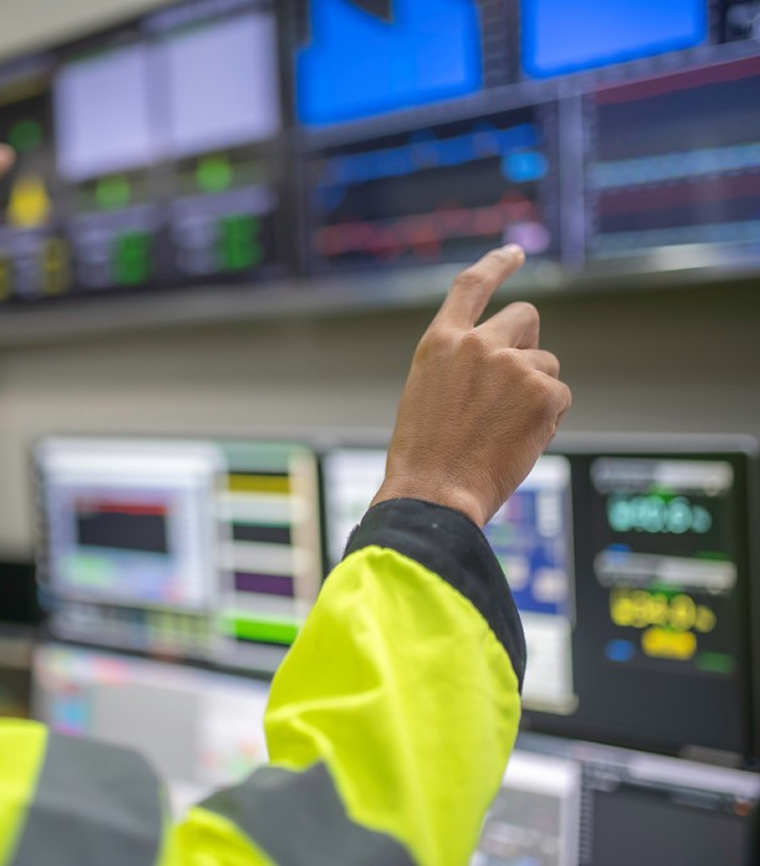
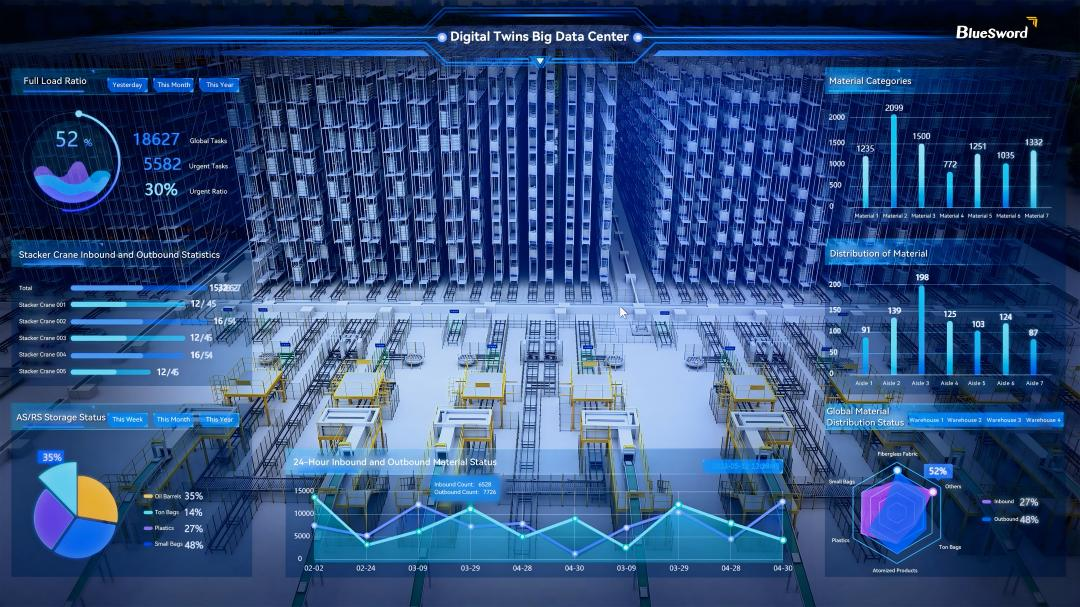
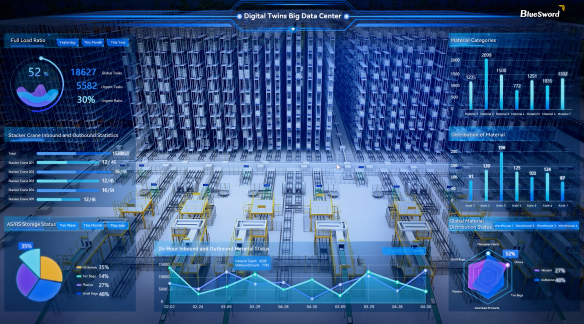
Furthermore, advanced algorithms and intelligent software play a pivotal role in boosting the performance of FMCG warehouse automation and optimizing overall system efficiency. These technologies allow for real-time monitoring and data-driven decision-making, reducing the need for constant human oversight. As warehouses automate repetitive tasks via FMCG warehouse automation, employees can focus on higher-value activities that require human insights—further enhancing the organization’s ability to scale effectively.
The Future of Warehouse Scaling through Automation
As the FMCG sector continues to grow, the importance of automation in scaling warehouse operations cannot be overstated. BlueSword’s innovative solutions exemplify how effective automation can enhance logistics capabilities while reducing dependency on manual labor.
In summary, as FMCG logistics companies increasingly adopt automation systems, they unlock the potential for enhanced flexibility, efficiency, and responsiveness in their warehouse operations. The integration of advanced technologies—such as stacker cranes, variable shuttle robots, and intelligent software—positions companies to meet the challenges of a dynamic market. By embracing these innovations, warehouses can facilitate significant scalability, ensuring they not only keep pace with industry demands but also set the standard for operational excellence in the future.