







UPDATES

Warehouse automation now depends heavily on intelligent software capable of coordinating multiple robotic systems across complex logistics operations. As warehouses handle larger order volumes and more dynamic workflows, software platforms have become essential for managing task scheduling, traffic control, inventory movement, and equipment communication. For many businesses, choosing experienced AGV AMR manufacturers is no longer only about robot hardware, but also about the quality of the AGV AMR integration solution behind the system.
Fleet Management and Task Allocation
The core function of warehouse robotic coordination software is fleet management. In automated warehouses, multiple robots often operate simultaneously across transport, storage, and production areas. Coordination software assigns tasks, balances workloads, and optimizes movement routes in real time.
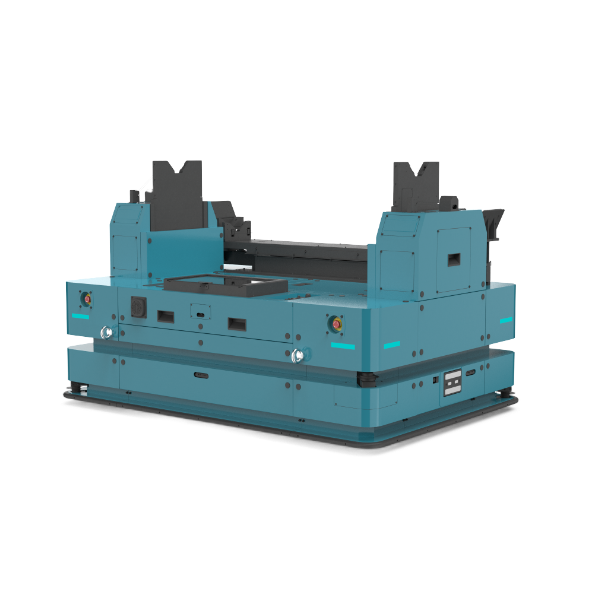
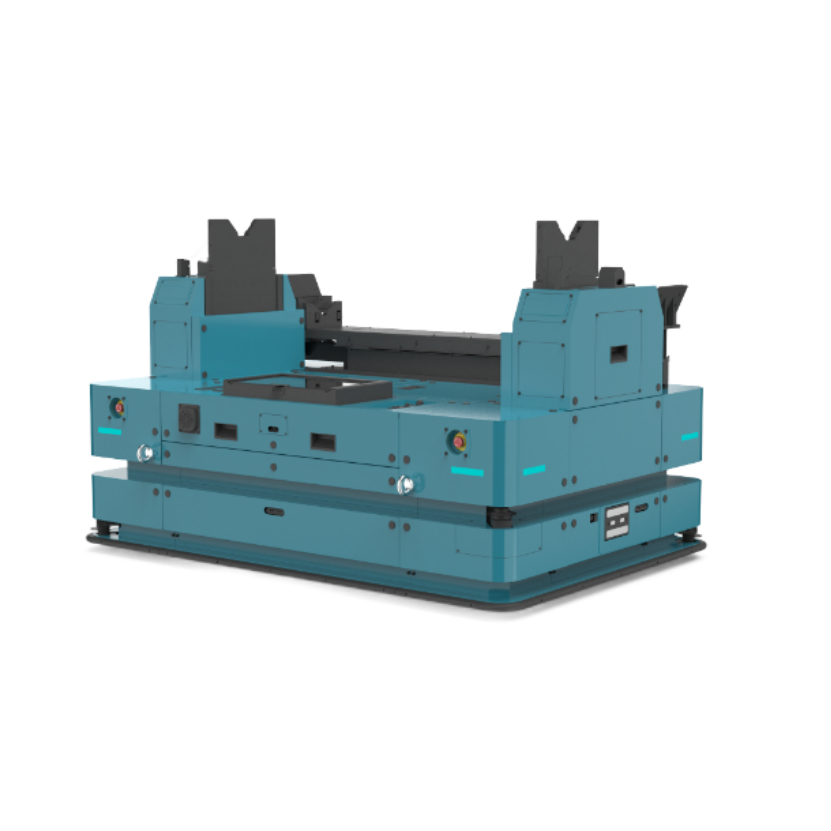
BlueSword’s Conveyor Mobile Robot is designed for heavy-duty material transportation in industries such as lithium batteries, automotive manufacturing, and construction machinery. To support these environments, the software platform continuously monitors robot status, task progress, and route conditions.
Many AGV AMR manufacturers use centralized scheduling systems to reduce idle time and improve transport efficiency. These systems can automatically prioritize urgent transport tasks and adjust robot assignments according to operational demand. As warehouse activity changes throughout the day, dynamic scheduling helps maintain stable workflow performance.
An effective AGV AMR integration solution also improves coordination between robots and other warehouse equipment, helping reduce bottlenecks during high-volume operations.
Navigation Control and Traffic Coordination
Navigation software is another important part of robotic coordination systems. Warehouse robots must move safely through changing environments while avoiding obstacles, equipment congestion, and route conflicts.
BlueSword’s Conveyor Mobile Robot supports multiple navigation methods, including laser SLAM, QR codes, and texture navigation. This allows the system to adapt to different warehouse layouts and operational conditions more flexibly.
Quick mapping and real-time environmental updates are particularly important in dynamic facilities. When warehouse layouts or transport routes change, the software can rapidly adjust robot paths without requiring large-scale operational interruptions.
Traffic coordination software also helps regulate robot movement within shared operational areas. The BlueSword CMR uses a compact tri-wheel drive system with a smaller turning radius than traditional systems, allowing more efficient movement in limited spaces. Combined with positioning accuracy of ±10 mm and ±1°, the system supports precise material handling and stable transport operations.
Many AGV AMR manufacturers now integrate obstacle detection, emergency stop logic, and route conflict management into their software platforms to improve operational safety and reduce warehouse disruptions.
System Integration and Operational Visibility
Modern robotic systems must communicate with warehouse management systems, ERP platforms, and production scheduling software. Without proper integration, even advanced robots may struggle to support efficient warehouse coordination.
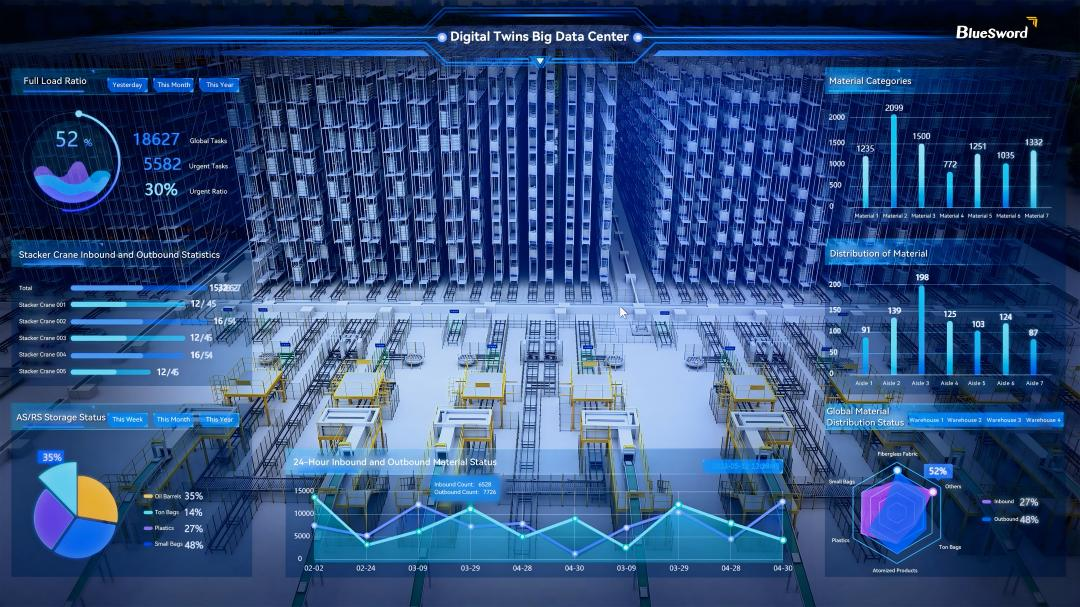
BlueSword focuses on developing AGV AMR integration solution platforms that connect robotic fleets with broader warehouse automation systems. This improves data synchronization, inventory visibility, and task coordination across multiple operational processes.
The Conveyor Mobile Robot supports rated load capacities of 1,500 kg and 3,500 kg while maintaining stable movement across warehouse environments. Coordination software monitors battery levels, transport status, and charging schedules to reduce downtime and improve equipment utilization. Fast charging capability also supports continuous warehouse operation.
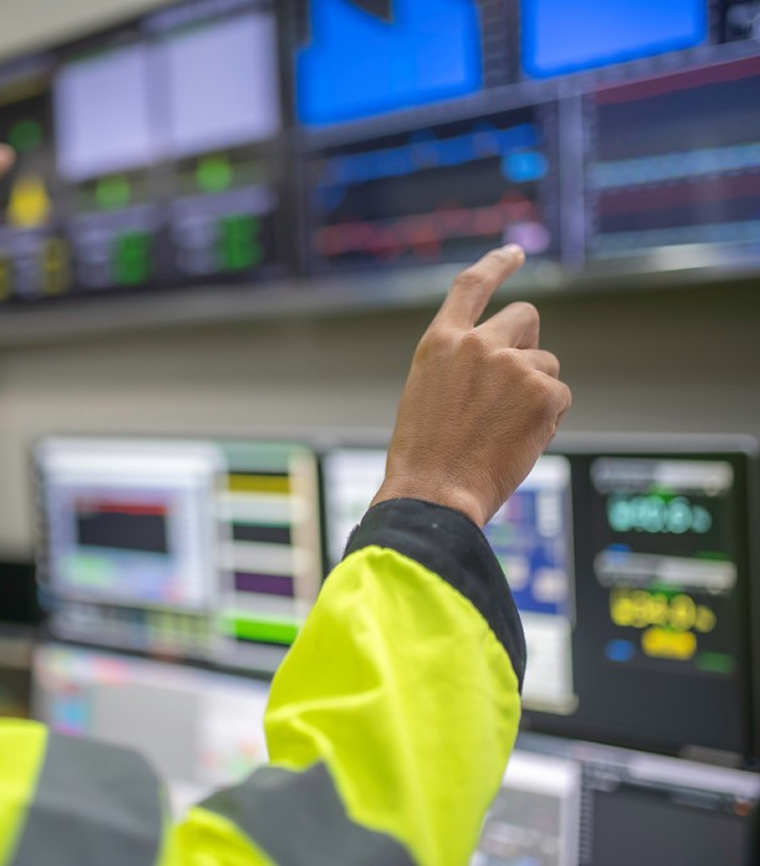
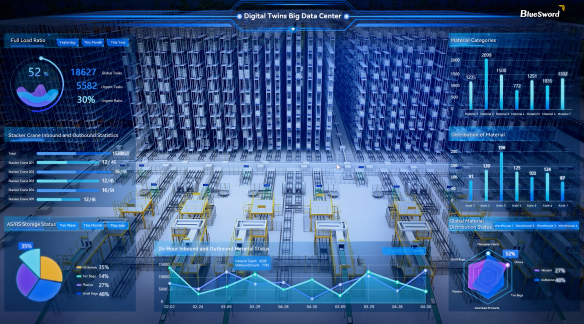
Real-time monitoring dashboards provide warehouse managers with operational visibility, helping businesses track robot efficiency and identify workflow optimization opportunities more effectively.
BlueSword’s Approach to Intelligent Robot Coordination
Warehouse robotic coordination systems require more than autonomous movement. Efficient operations depend on software platforms capable of managing navigation, scheduling, equipment communication, and operational data in real time.