







UPDATES

The FMCG sector continues to evolve under the pressure of rising demand volatility, shorter product life cycles, and increasingly complex distribution networks. In this environment, logistics efficiency has become a decisive factor for maintaining competitiveness. As a result, the future of FMCG logistics automation is being shaped by technologies that prioritize speed, adaptability, and system intelligence.
Modular System Architecture Enables Greater Flexibility
One of the most important trends shaping FMCG logistics automation is the shift toward modular system design. Traditional fixed conveyor layouts often struggle to accommodate changes in product mix, order structure, or warehouse expansion. In contrast, modular systems allow logistics networks to be reconfigured with minimal disruption.
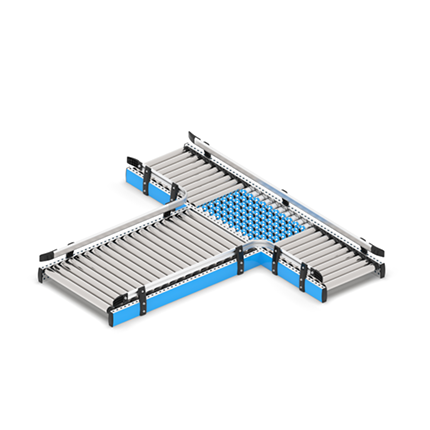
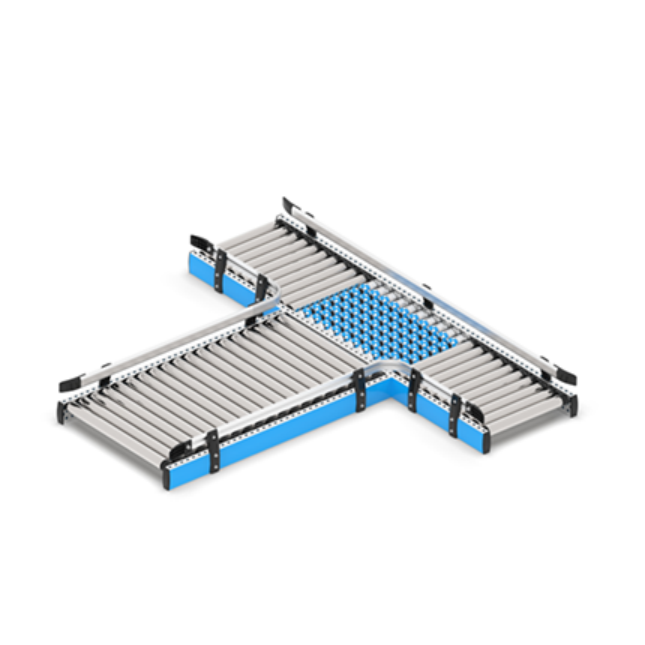
BlueSword’s Conveyor Diverter is designed with this flexibility in mind. It supports diverting, transferring, and redirecting goods within a single integrated system, enabling more dynamic material flow management. For FMCG logistics companies, this capability is essential when dealing with fluctuating demand patterns and seasonal product variations.
Additionally, plug-and-play components can reduce installation time by up to 40%, allowing faster deployment of new warehouse sections. This modular approach helps FMCG operations expand or modify workflows without requiring extensive infrastructure redesign, improving both agility and cost efficiency.
Intelligent Diagnostics Improve System Reliability
As FMCG distribution networks become more complex, system reliability has become a key concern. Downtime in high-volume environments can quickly disrupt supply chains and affect service levels. Therefore, advanced monitoring and diagnostic capabilities are becoming a core component of FMCG logistics automation systems.
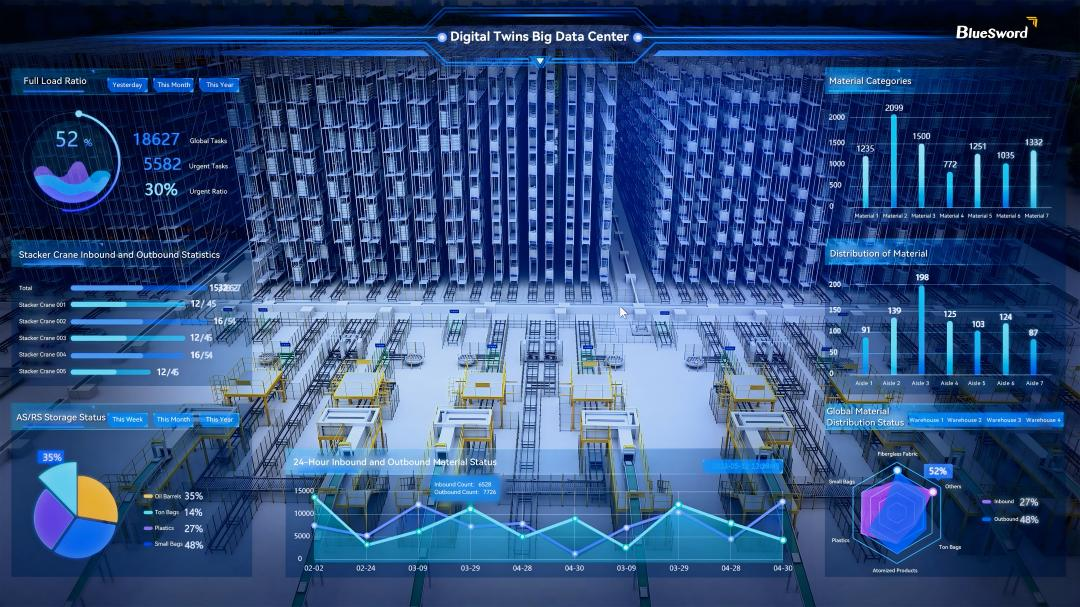
BlueSword integrates real-time diagnostics through CAN bus technology into its conveyor solutions. This enables continuous monitoring of system performance and early detection of operational issues. By improving visibility into system status, maintenance teams can respond more quickly and prevent unexpected interruptions.
For FMCG logistics companies, reducing downtime directly translates into improved order fulfillment efficiency. Real-time diagnostics can reduce downtime by up to 30%, helping logistics operators maintain stable throughput even during peak demand periods. This shift toward predictive maintenance reflects a broader industry movement toward smarter and more resilient warehouse operations.
Scalable Layouts Support Long-Term Growth
Scalability is another critical factor shaping the future of FMCG logistics automation. As companies expand into new markets and diversify product portfolios, warehouse systems must be able to grow without requiring complete redesigns.
Modern conveyor systems are increasingly designed with scalable layouts that allow additional modules to be integrated as needed. This ensures that logistics infrastructure can evolve alongside business growth. For FMCG logistics companies, this flexibility is essential for managing long-term investment efficiency while maintaining operational continuity.
BlueSword’s modular conveyor diverter system supports this approach by enabling layout expansion without rewiring. This reduces both engineering complexity and downtime during system upgrades, making it easier for FMCG operators to adapt to changing business requirements.
Advancing FMCG Logistics Toward Intelligent Operations
The future of FMCG logistics will be defined by flexibility, intelligence, and scalability. As supply chains continue to evolve, FMCG logistics automation will play an increasingly central role in ensuring efficient and responsive distribution networks.
Through modular equipment design, intelligent diagnostics, and scalable system architecture, BlueSword supports the transformation of FMCG logistics companies into more adaptive and data-driven organizations. As the industry moves forward, automation will continue to shape how FMCG goods are stored, processed, and delivered across global supply chains.