






UPDATES

As warehouse automation becomes more widely adopted, safety management has become a critical consideration for logistics operators. Autonomous warehouse robots are now commonly used for material transport, inventory movement, and production line delivery. To ensure stable operations and reduce workplace risks, businesses increasingly evaluate safety standards when selecting automation equipment and integration partners.
Operational Safety and Navigation Standards
One of the primary safety concerns for autonomous warehouse robots is movement control within shared operational spaces. Robots operating near personnel, forklifts, or production equipment must maintain accurate navigation and obstacle avoidance capabilities.
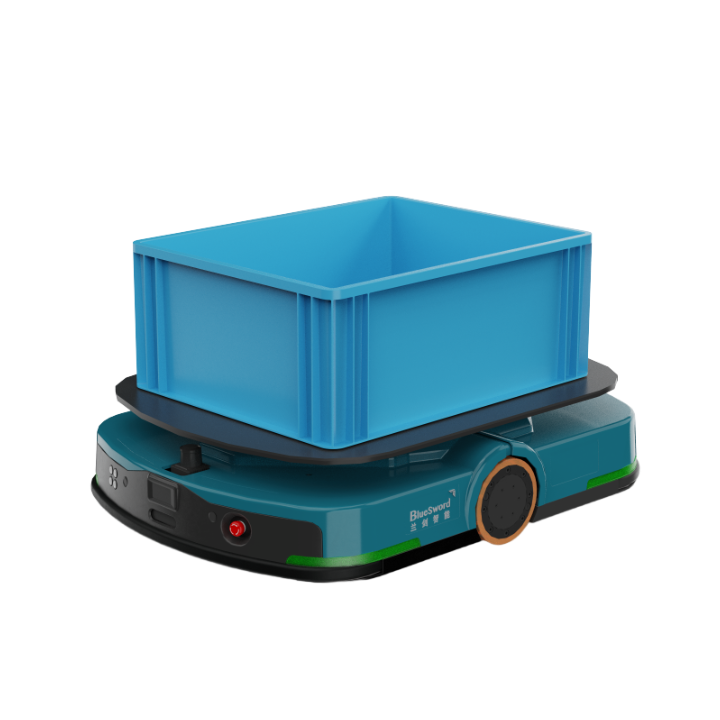
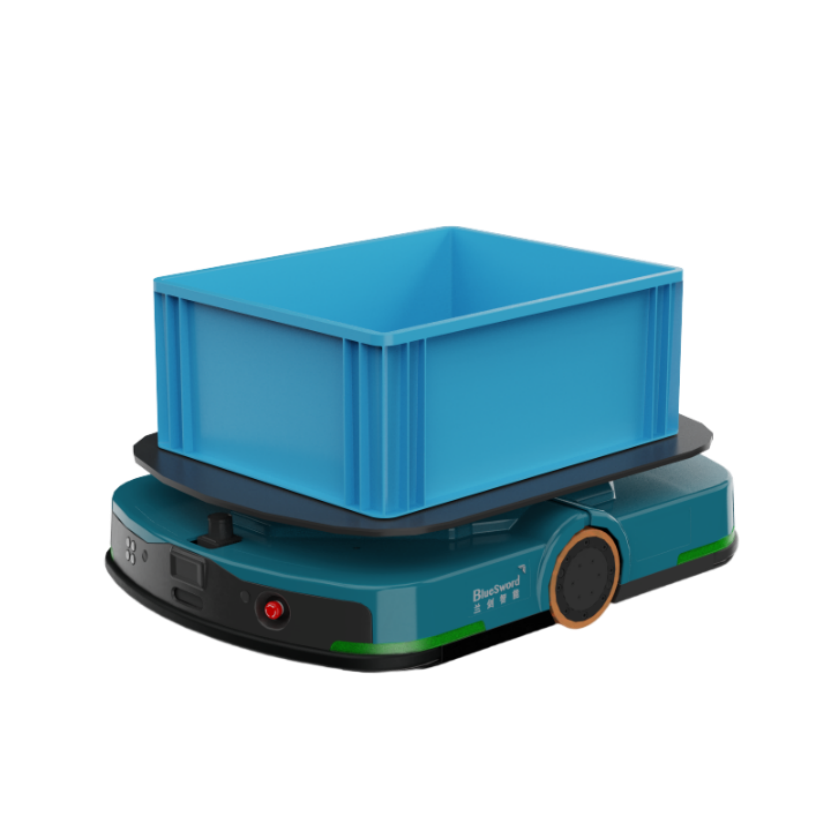
BlueSword’s Latent Mobile Robot (LMR) uses navigation technologies including QR Code, VSLAM, and LSLAM to support stable positioning and route planning. Accurate navigation reduces the risk of collision and helps maintain safe traffic flow throughout warehouse operations.
Many AGV AMR manufacturers design robots to comply with industrial safety standards related to automated guided vehicles and autonomous mobile robots. These standards typically address emergency stopping functions, speed control, obstacle detection, warning systems, and operational zone management.
Positioning precision is another important safety factor. The BlueSword LMR supports positioning accuracy of ±10 mm and angular accuracy of ±1°, helping ensure controlled pallet alignment and predictable movement during transport operations.
Speed limitations also contribute to safe operation. Autonomous robots are generally configured with adjustable movement speeds based on warehouse traffic conditions, load status, and workspace layout.
Load Stability and Equipment Protection
Warehouse robots frequently transport heavy materials, making load stability an important part of operational safety. Improper lifting or unstable transport can increase the risk of product damage or equipment accidents.
The BlueSword LMR supports rated loads from 400 to 1,500 kg while maintaining stable lifting performance. Controlled lifting systems help improve load balance during movement and reduce operational instability.
Many AGV AMR integration solution projects also include safety protections related to floor conditions and warehouse gradients. The LMR supportsclimbing capacities of 5%, helping maintain safe movement across different warehouse surfaces.
In addition to hardware stability, warehouse operators often require system-level safety monitoring. This includes battery management, overload protection, route conflict control, and automatic fault response systems. Leading AGV AMR manufacturers increasingly integrate real-time diagnostics and operational monitoring into robot management platforms to improve equipment safety and reduce downtime risks.
System Integration and Workplace Coordination
Autonomous warehouse robots rarely operate independently. In most facilities, robots must coordinate with warehouse management systems, conveyors, storage systems, and human-operated workstations.
An effective AGV AMR integration solution requires stable communication between robots and surrounding automation infrastructure. Traffic management software helps regulate robot movement, assign transport tasks, and avoid congestion within operational areas.
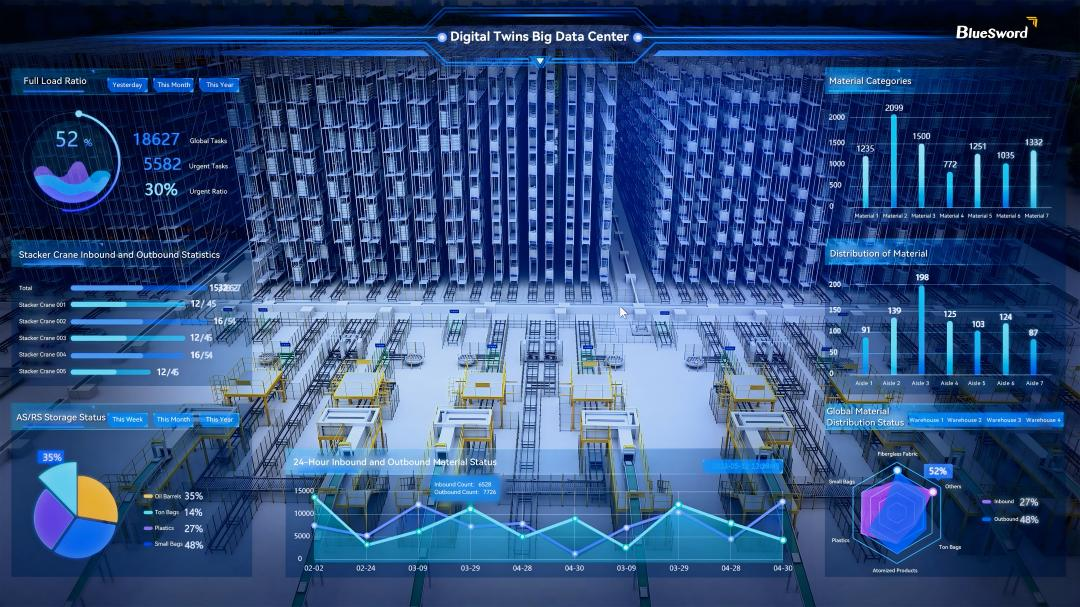
BlueSword focuses on integrated warehouse automation systems that support coordinated operation between robots and warehouse control platforms. This improves operational visibility while helping businesses maintain safer logistics workflows.
Employee safety training is also important in automated warehouse environments. Even advanced robot systems require clearly defined operational procedures, restricted zones, and emergency response protocols to support safe human-machine collaboration.
Improving Operational Safety in AGV and AMR Deployment
In modern warehouse automation environments, safety has become a core benchmark for evaluating the effectiveness of autonomous robotics systems. As deployment scales increase, companies working with AGV and AMR technologies place greater emphasis on navigation reliability, load stability, and system-level safety coordination to ensure consistent performance in dynamic operational settings.
BlueSword develops AGV and AMR integration solutions that are designed to support controlled, efficient material flow across complex warehouse layouts. By combining intelligent navigation algorithms, stable transport engineering, and interconnected automation platforms, BlueSword enables businesses to enhance handling efficiency while maintaining a safer and more predictable operational environment over the long term.