







UPDATES

In the fast-moving consumer goods (FMCG) industry, efficiency and speed are paramount. As the demand for rapid order fulfillment increases, FMCG logistics companies are turning to automation to reduce labor dependency in their warehouses. BlueSword stands out as a leader in this realm, offering innovative solutions that leverage advanced technologies to streamline operations. This article explores how modern FMCG warehouse automation is reshaping the industry by minimizing reliance on human labor while enhancing productivity.
The Role of Automation in Reducing Labor Dependency
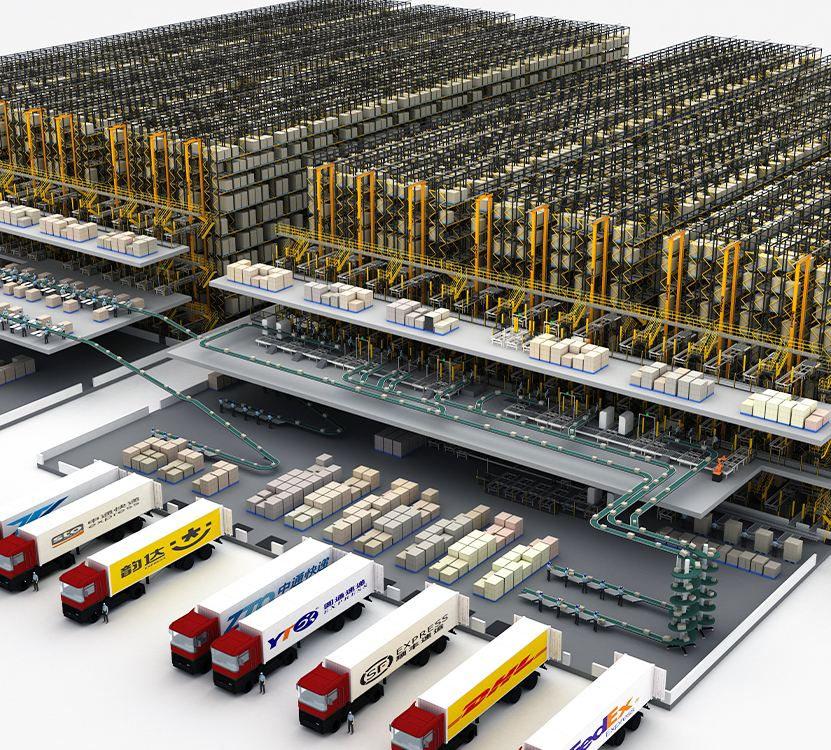
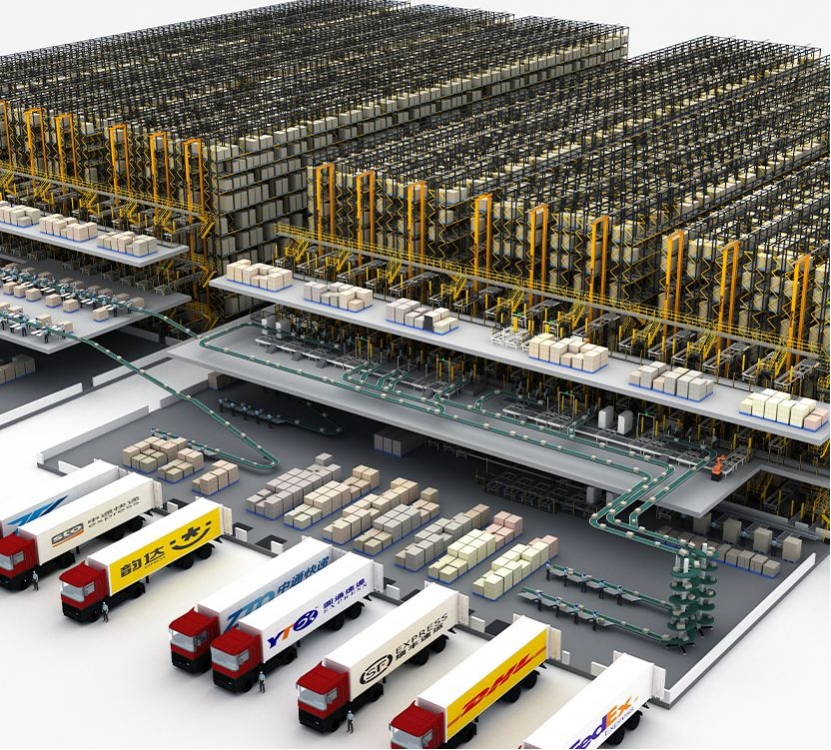
The integration of automation in FMCG warehouses is revolutionizing the way goods are stored, picked, and shipped. By implementing automated systems, companies can improve accuracy and efficiency while significantly cutting down the need for manual labor. BlueSword’s automation solutions address various challenges faced by FMCG logistics companies, from optimizing inventory management to enhancing operational efficiency.
Additionally, BlueSword’s non-wrapping storage system boasts excellent stability that ensures smooth goods handling throughout transportation, eliminating the need for film wrapping. This system not only cuts extra costs on packaging materials and delivers eco-friendly benefits, but also greatly boosts warehouse turnover efficiency. It streamlines daily warehouse operations remarkably. By cutting down the cumbersome handling work required by conventional storage methods, companies can deploy their human resources more reasonably: staff are assigned to work that requires human judgment and supervision, while repetitive routine tasks are fully taken over by automation.
Flexibility and Efficiency Through Advanced Robotics
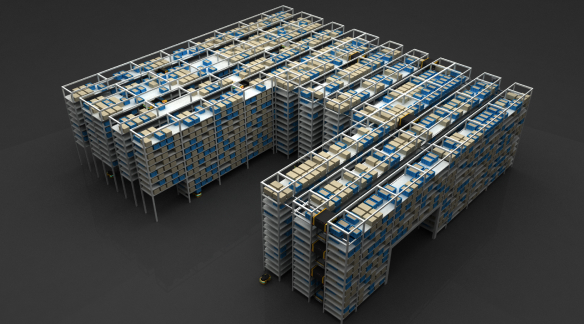
Another critical aspect of reducing labor dependency in FMCG warehouses is the implementation of variable shuttle robots. These robots are designed to accommodate various sizes of cartons and turnover boxes, offering remarkable flexibility in handling diverse products. The adaptability of these robots allows FMCG logistics companies to customize their systems to meet specific operational needs without heavily relying on manual labor for adjustments.
Furthermore, integrated pallet-level and case-level solutions are specially designed to manage a large variety of SKUs. Pallet storage caters to high-turnover and bulk goods for full-pallet replenishment, while case-level storage handles low-turnover and fragmented items for split picking of small goods. This combined system enables flexible allocation of storage spaces based on the inbound and outbound frequency of different SKUs, effectively expanding inventory capacity and overall throughput. It allows FMCG warehouses to process massive volumes of goods, meanwhile cutting down on on-site labor demand. With sorting, transportation and other routine tasks automated, employees can concentrate on sophisticated work that relies on human judgment and on-site intervention.
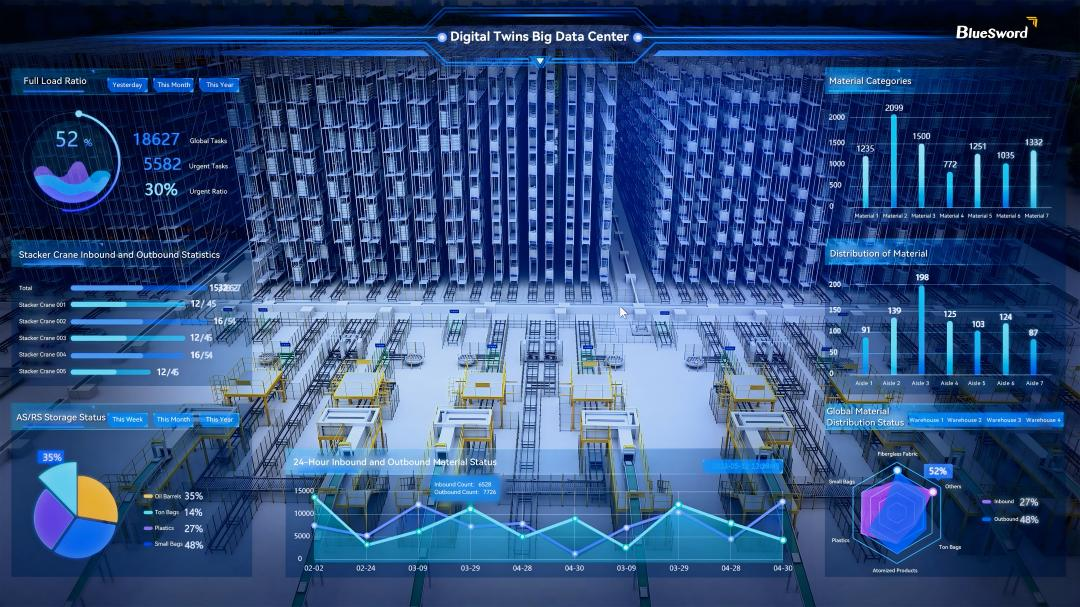
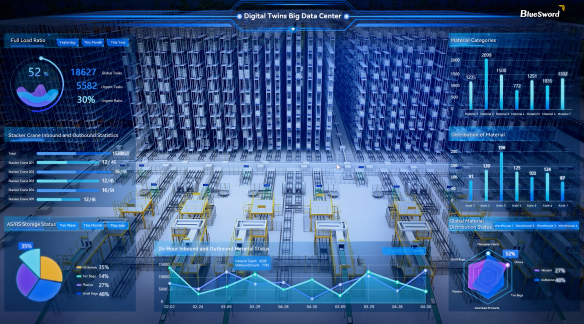
Advanced algorithms and intelligent software optimize overall system efficiency by improving supply chain management. By automating data collection and analysis, FMCG logistics companies can make informed decisions quickly, further reducing the need for personnel dedicated to manual monitoring. This shift allows warehouses to operate with fewer staff while maintaining high performance levels.
Embracing Automation for Future Success
Modern FMCG warehouses are increasingly adopting automation to enhance operational efficiency and reduce labor dependency. BlueSword’s innovative solutions exemplify how technology can address the challenges faced by FMCG logistics companies. As the industry continues to evolve, embracing advanced automation technologies will be essential for remaining competitive.
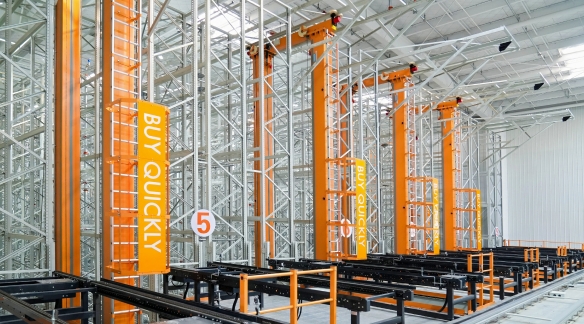
In summary, the integration of advanced automation in FMCG warehouse operations not only optimizes productivity but also significantly reduces reliance on manual labor. As companies invest in technologies like stacker cranes and variable shuttle robots, they position themselves for future success in a highly demanding market. The transformation driven by FMCG warehouse automation is paving the way for more efficient and sustainable logistics operations, ultimately reshaping the landscape of the industry.