






UPDATES

Automotive manufacturing continues to evolve toward higher production flexibility, faster material turnover, and more precise logistics coordination. As vehicle platforms diversify and electric vehicle production expands, logistics operations inside factories and distribution facilities are becoming increasingly complex. To address these challenges, automotive logistics suppliers are accelerating the adoption of intelligent automation technologies that improve transportation efficiency and operational stability.
Mobile Robotics Expands Logistics Flexibility
Traditional fixed transportation systems can create limitations in modern automotive production environments where layouts and workflows frequently change. As a result, mobile robotic systems are becoming an important innovation for automotive logistics suppliers seeking greater operational flexibility.
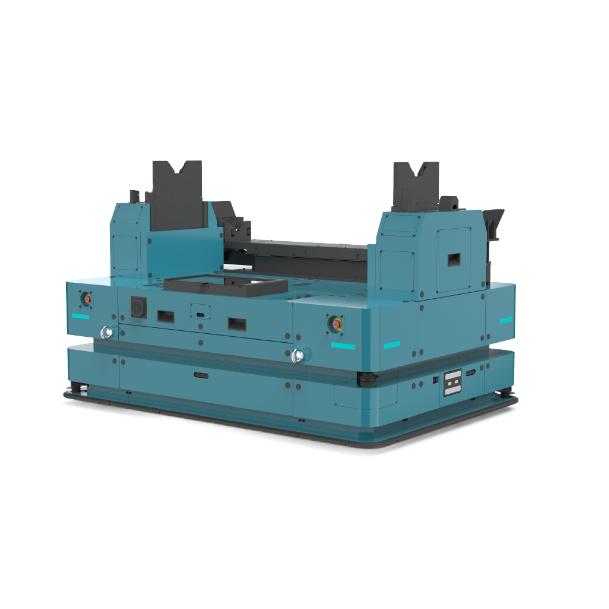
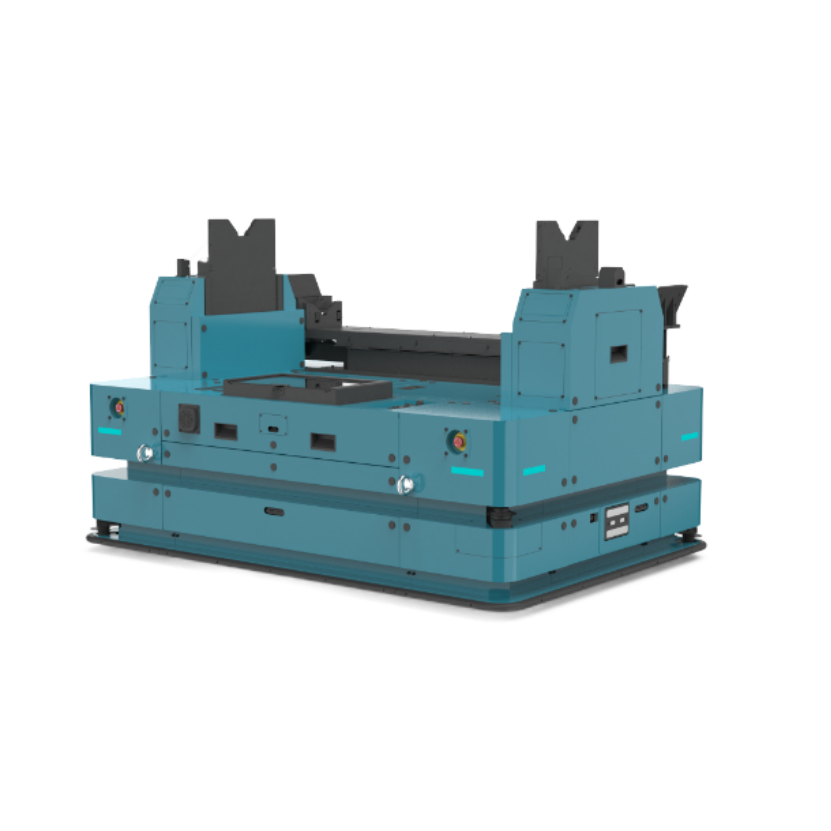
The BlueSword Conveyor Mobile Robot (CMR) is designed for heavy-duty material transportation in industries such as automotive, lithium batteries, and construction machinery. Unlike fixed-path systems, omni-directional movement allows the robot to navigate more efficiently within dynamic production areas while reducing dependence on permanent conveyor routes.
The CMR supports rated load capacities of 1,500 kg and 3,500 kg, enabling transportation of large automotive components and assemblies. Its dual-steering wheel configuration improves maneuverability in narrow factory aisles and complex workshop layouts. These features allow automotive conveyor system operations to adapt more effectively to changing production processes without extensive infrastructure modification.
Precision Handling Improves Production Coordination
Modern automotive production requires highly coordinated material delivery between assembly stations, storage zones, and inspection processes. Delays or positioning errors can disrupt production continuity and reduce manufacturing efficiency.
Automation systems with high positioning accuracy are therefore becoming increasingly important for automotive logistics suppliers. The BlueSword CMR provides positioning accuracy of ±10 mm and ±1°, supporting stable component transfer within automated production environments.
Lifting functionality also contributes to more efficient material handling. The robot offers main-lifting heights of 700 mm or 230 mm and sub-lifting heights of 700 mm or 900 mm, allowing compatibility with different workstation and conveyor connection requirements. Within an automotive conveyor system, this flexibility supports smoother material transfer between robotic workstations and manual assembly areas.
In addition, the robot maintains operational stability under varying floor conditions, with gradeability performance of 3% under full load and 5% without load. This capability helps ensure continuous transportation across large manufacturing facilities.
Faster Charging and Intelligent System Integration
As automotive plants move toward continuous production cycles, minimizing equipment downtime has become a key operational objective. Faster charging technology and intelligent fleet coordination are therefore important innovations influencing future logistics systems.
The BlueSword Conveyor Mobile Robot supports charging times of no more than 1.5 hours, helping reduce interruption periods and improve equipment availability. Shorter charging cycles are especially valuable in high-throughput automotive environments where logistics systems must operate continuously across multiple shifts.
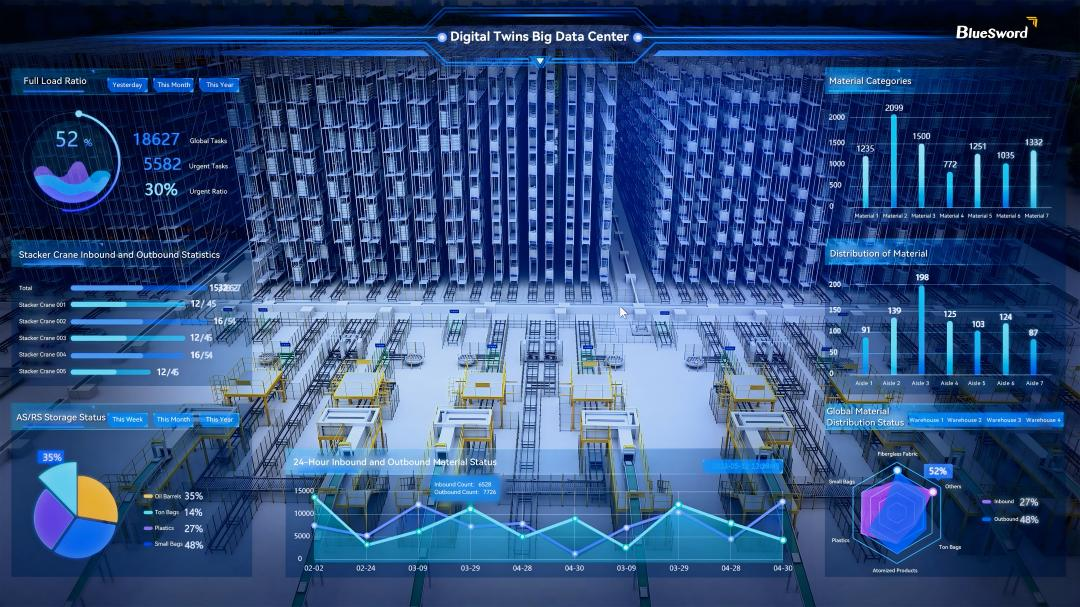
At the same time, intelligent integration between mobile robots, warehouse systems, and automotive conveyor system infrastructure enables more synchronized material flow. Automotive logistics suppliers increasingly focus on connecting transportation equipment with digital scheduling platforms to improve route optimization, traffic coordination, and production responsiveness.
Building Smarter Automotive Logistics Operations
Future automotive logistics systems will depend on greater flexibility, precision, and intelligent coordination. Mobile robotics, accurate positioning technology, and integrated automation platforms are reshaping how materials move through modern manufacturing environments.