







UPDATES

Planning an efficient automated warehouse shuttle system starts long before equipment installation. Successful deployment depends on collecting accurate operational data that allows the system to match warehouse layouts, inventory characteristics, and throughput requirements. Businesses evaluating automation projects often work with experienced automated warehouse robot companies to ensure the planning process supports both current operations and future expansion.
Warehouse Layout and Storage Data
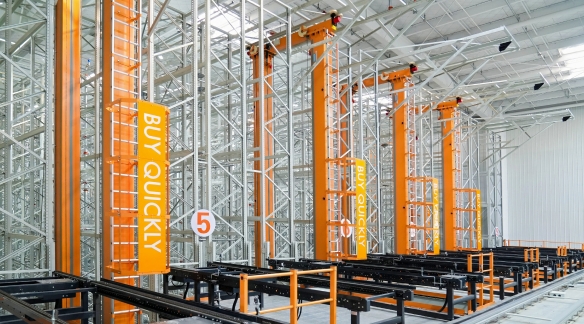
The first step in planning an automated warehouse shuttle system is collecting detailed warehouse layout information. Facility dimensions, aisle widths, rack configuration, ceiling height, floor conditions, and available storage space all influence system design and equipment selection.
Storage data is equally important. Businesses should determine the number of storage locations required, tote and carton dimensions, product weight, SKU distribution, and inventory turnover rates before selecting shuttle configurations.
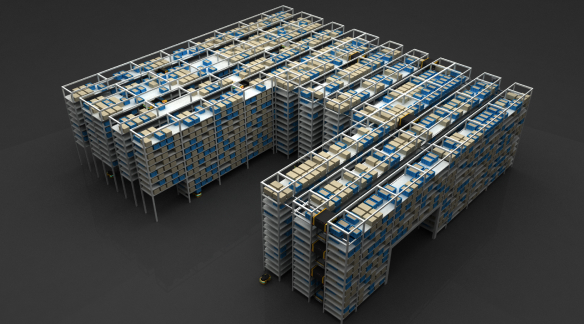
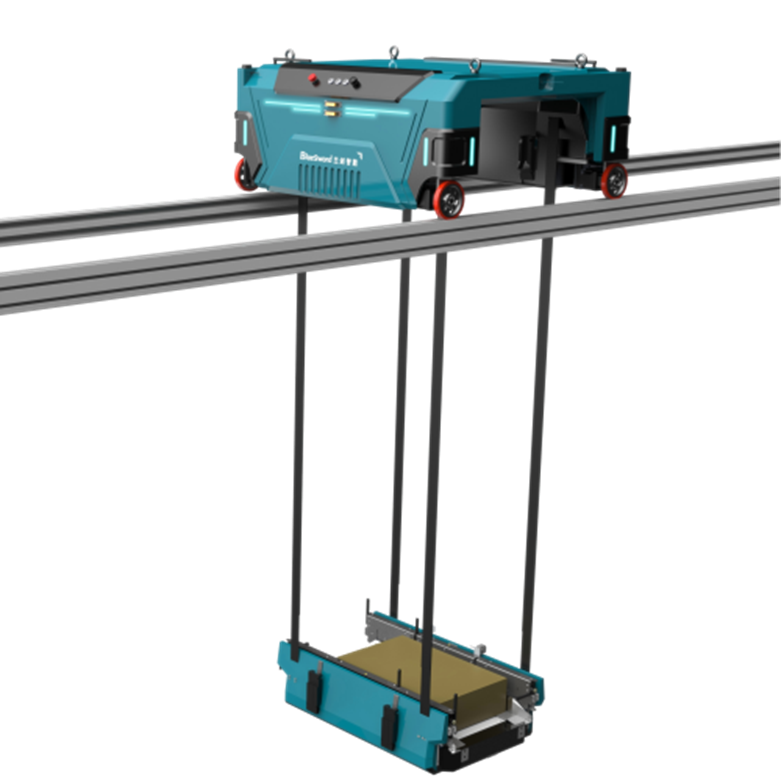
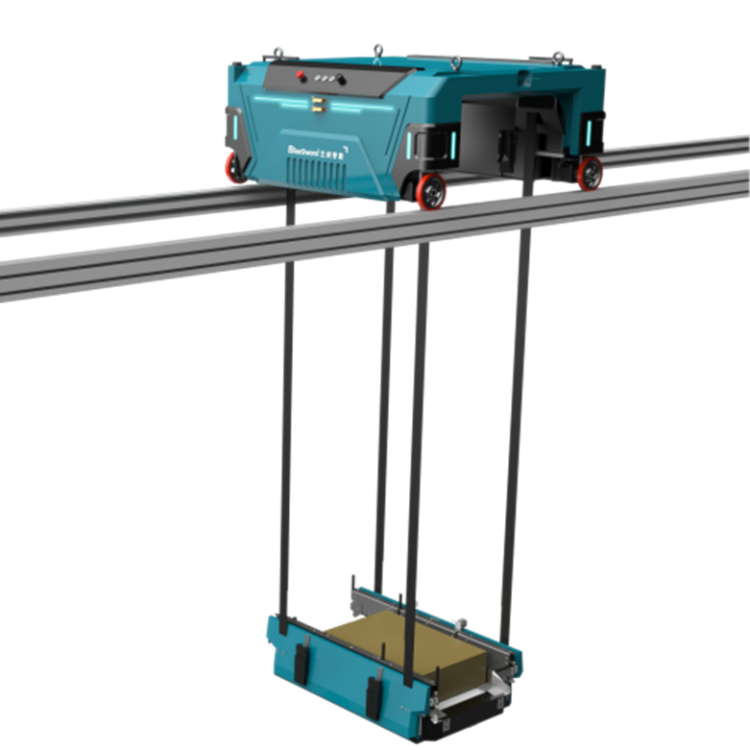
The BlueSword Spider Sky-Shuttle is designed to support flexible warehouse layouts, including I-, L-, and T-shaped storage areas through its four-way movement capability. It can operate in aisle widths as narrow as 1,000 mm and installs directly onto existing racks, allowing planners to maximize available warehouse space while minimizing structural modifications.
Throughput and Workflow Data
Operational performance data is another essential part of system planning. Companies should analyze inbound and outbound volumes, peak order periods, SKU movement frequency, order profiles, and workstation demand to determine the required transport capacity.
This information helps planners calculate shuttle quantity, lift capacity, and transport cycles needed to maintain efficient warehouse operations.
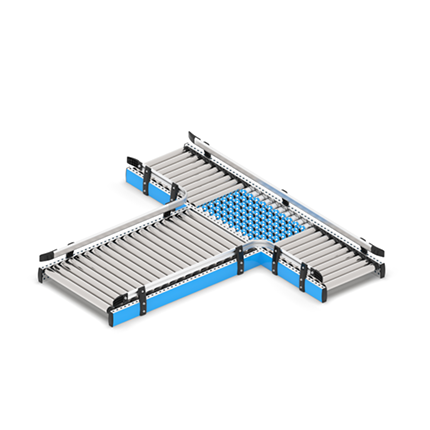
Workflow data should also include interactions with conveyors, AGVs, AMRs, picking stations, and packing areas. Understanding how materials move throughout the warehouse helps reduce congestion and improve overall system efficiency.
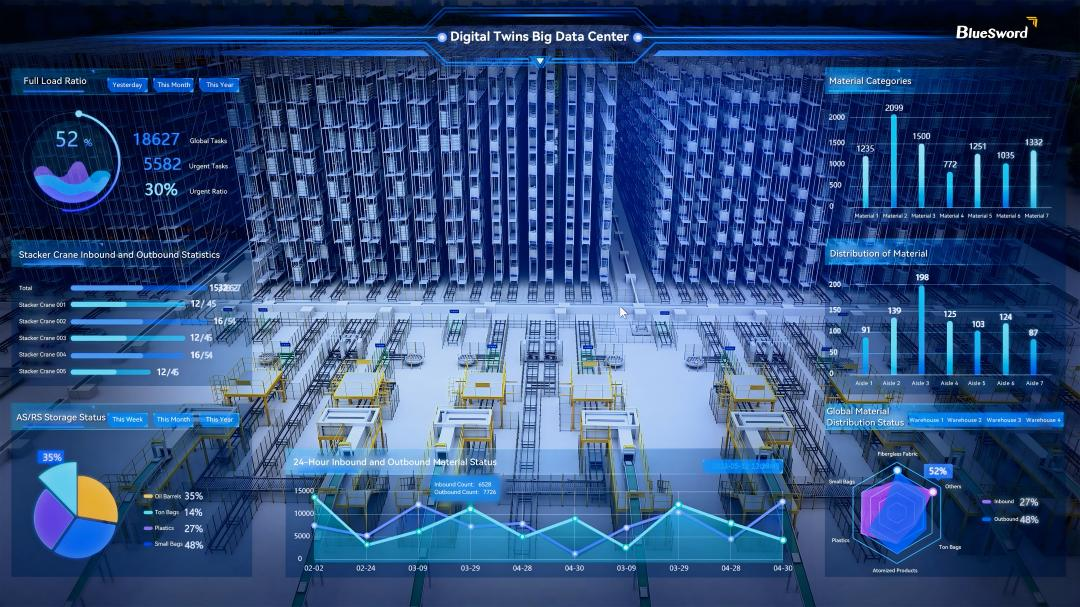
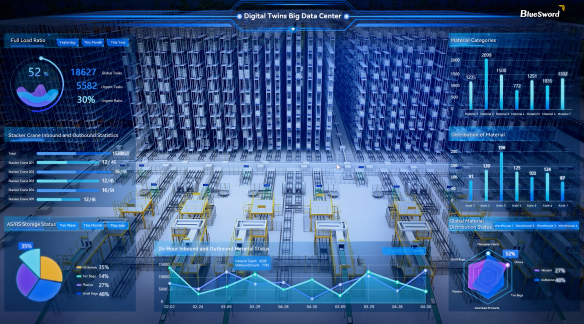
To support more accurate planning, BlueSword uses digital twin simulation before implementation. Virtual warehouse modeling allows businesses to validate equipment coordination, identify potential bottlenecks, and optimize operational workflows before installation begins.
Software and Inventory Management Data
Software integration requirements are another critical planning factor. Businesses should define warehouse management workflows, ERP interfaces, inventory allocation rules, SKU classifications, and task scheduling logic before deploying an automated warehouse shuttle system.
Accurate inventory data—including product dimensions, weight, storage frequency, handling requirements, and replenishment strategies—helps determine appropriate shuttle configurations and storage allocation policies.
BlueSword supports open API integration with warehouse management systems and ERP platforms, enabling real-time communication between software and automation equipment. This improves inventory visibility, task scheduling, and operational coordination throughout warehouse processes.
The Spider Sky-Shuttle also supports loads of up to 50 kg and accommodates multiple tote and carton sizes, allowing warehouses to manage diverse inventory requirements while maintaining stable automation performance.
Data-Driven Planning for Long-Term Warehouse Performance
An effective automated warehouse shuttle system depends on reliable planning data rather than equipment selection alone. Warehouse layout information, operational throughput, inventory characteristics, and software integration requirements all contribute to a solution that supports efficient material flow and long-term scalability. Businesses working with experienced automated warehouse robot companies can use this information to reduce implementation risks and improve overall system performance.
BlueSword combines flexible shuttle technology with digital twin simulation, open software architecture, and extensive warehouse automation expertise to support data-driven system planning. By helping customers transform operational data into practical automation solutions, BlueSword enables warehouses to achieve higher efficiency, greater adaptability, and more reliable long-term performance, making BlueSword a trusted partner for modern warehouse automation projects.#3How Do Shuttle Systems Reduce Labor Costs?