








UPDATES

As supply chains become more complex, businesses are increasingly investing in warehouse automation to improve operational efficiency and inventory accuracy. Modern warehouses must support high order volumes, faster fulfillment, and scalable operations while controlling labor costs. For this reason, many companies cooperate with experienced logistics solutions companies to design automated warehouse systems that fit their operational requirements.
Evaluating Warehouse Operations and Business Requirements
The design of an automated warehouse system starts with operational analysis. Logistics firms study warehouse layout, inventory types, order structures, throughput demands, and future expansion plans before recommending automation strategies.
Many logistics solutions companies use workflow analysis to identify bottlenecks in receiving, storage, picking, transport, and shipping processes. This helps businesses determine which areas can benefit most from automation while maintaining flexibility for future operational changes.
BlueSword approaches system design by combining consulting services with practical operational planning. Instead of using fixed solutions for every project, the company develops automation solutions for logistics based on customer-specific workflows and supply chain requirements.
Scalability is also an important consideration during the planning stage. Warehouse systems must be capable of supporting business growth, seasonal demand fluctuations, and increasing SKU complexity without major operational disruption.
Integrating Automation Equipment and Software Systems
After the planning stage, logistics firms integrate automation equipment with warehouse management software to create a coordinated operational system. Successful warehouse automation depends on both reliable machinery and efficient software communication.
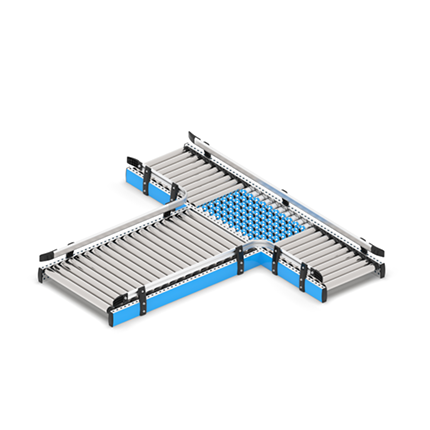
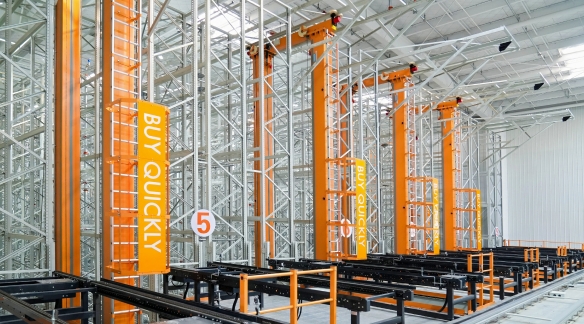
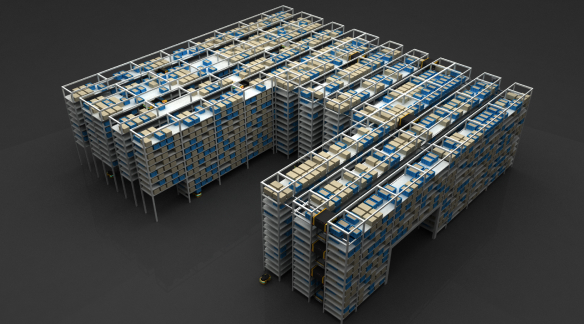
BlueSword offers a complete warehouse automation portfolio, including AS/RS, conveyors, AGVs/AMRs, sorting systems, and advanced case-handling robots engineered in-house. These automation solutions for logistics are designed to improve inventory movement, reduce manual handling, and support accurate order fulfillment.
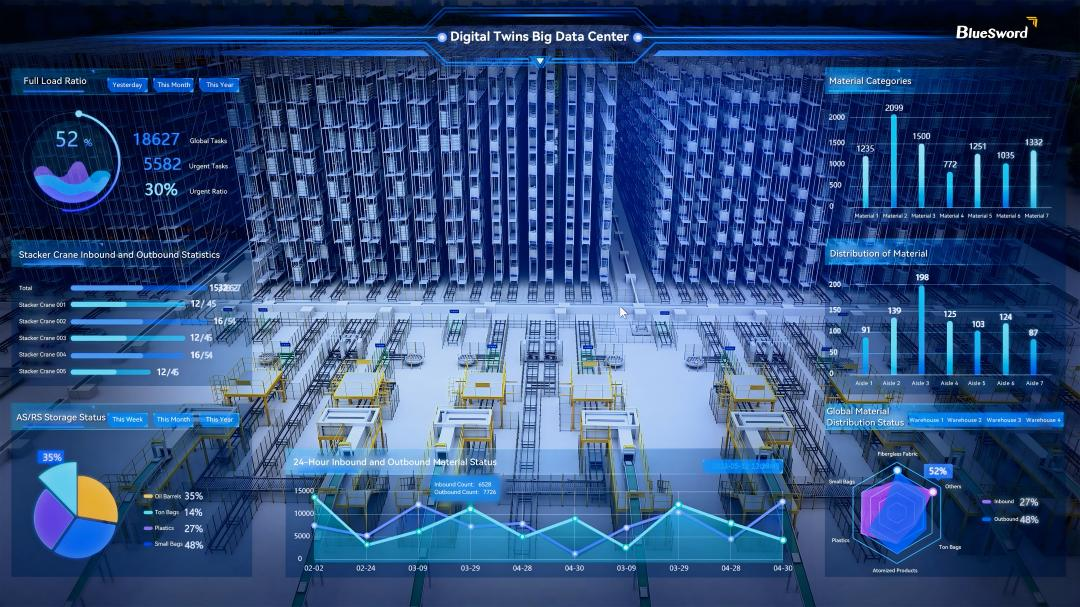
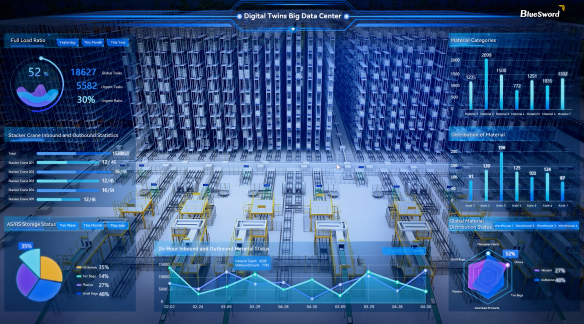
Software integration is equally important in automated warehouse design. Many logistics solutions companies now focus on connecting warehouse control systems with enterprise management platforms to improve real-time visibility and operational coordination.
BlueSword supports system integration by enabling communication between warehouse equipment, inventory management systems, and transport operations. This improves inventory tracking, task scheduling, and operational consistency across warehouse activities.
Improving Fulfillment Efficiency and Long-Term Performance
The final stage of warehouse system design focuses on long-term operational performance. Automated systems must remain stable, adaptable, and efficient as logistics demands continue to change.
BlueSword supports customers through lean manufacturing, fast project delivery, and proactive after-sales services. These services help businesses maintain system reliability and reduce operational downtime.
Robotic technologies are also becoming increasingly important for order fulfillmentmodern warehouses. Many logistics solutions companies now use robotic picking, transport, and palletizing systems to improve throughput and reduce labor dependency. These automation solutions for logistics help businesses manage large order volumes more efficiently while maintaining fulfillment accuracy.
In addition, data analysis and system monitoring allow warehouse operators to continuously improve operational performance. Real-time visibility helps businesses optimize storage allocation, equipment usage, and workflow coordination over time.
BlueSword’s Approach to Modern Warehouse Automation
Designing an automated warehouse system requires careful planning, intelligent software integration, and reliable automation equipment. Businesses increasingly rely on logistics solutions companies that can provide scalable and efficient systems suited to modern supply chain demands.
BlueSword continues to develop practical automation solutions for logistics by combining engineering expertise with integrated system capabilities. Through customized warehouse automation design and long-term operational support, BlueSword helps businesses improve fulfillment efficiency, inventory management, and supply chain reliability.