








UPDATES

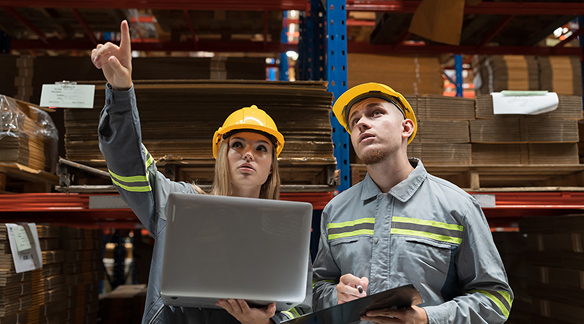
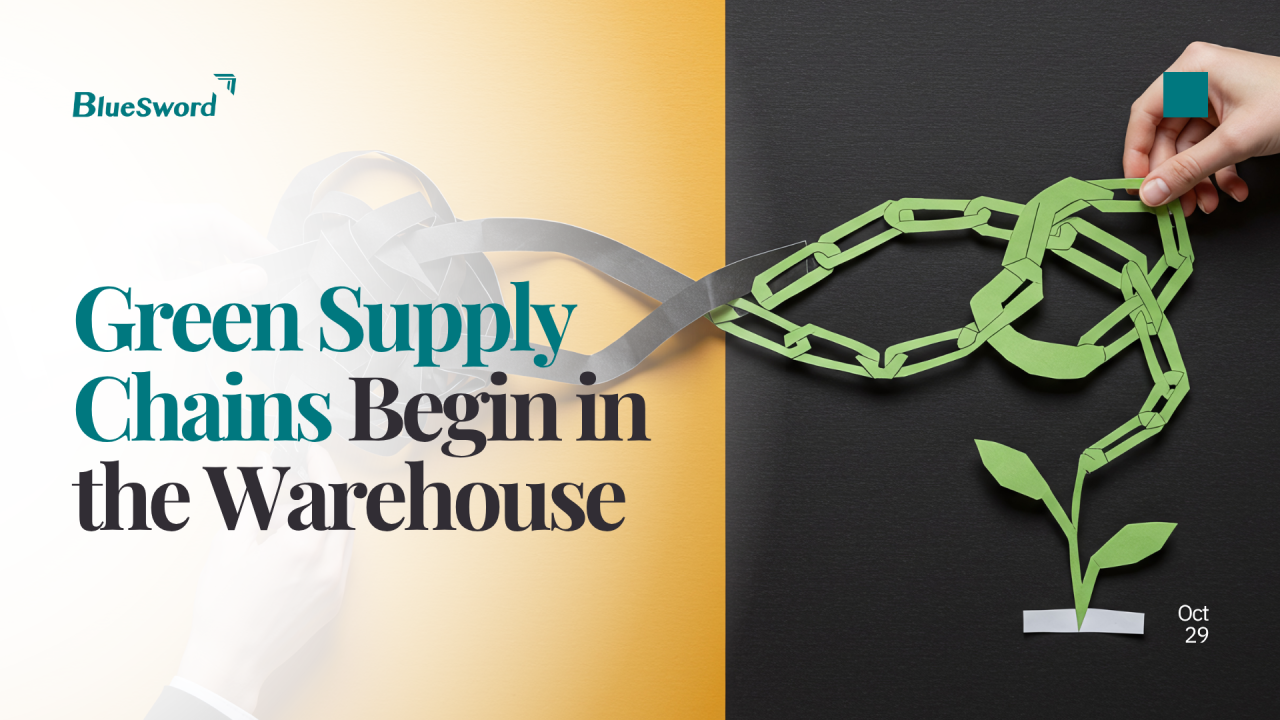
The path to a sustainable supply chain starts where goods are stored, handled, and moved every day. Warehouses play a central role in how efficiently materials flow and how much energy each process consumes. Their design, layout, and level of automation directly influence the environmental footprint of logistics operations.
Across major trade routes and industrial regions, global logistics nodes are adapting to stricter environmental standards. Energy-intensive activities such as material transport, ventilation, and lighting remain key sources of emissions. Automation provides a practical method to manage these loads. Through precise scheduling and controlled motion, automated systems reduce idle energy use and improve overall performance.

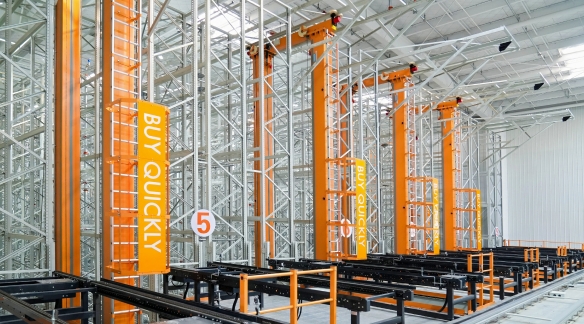
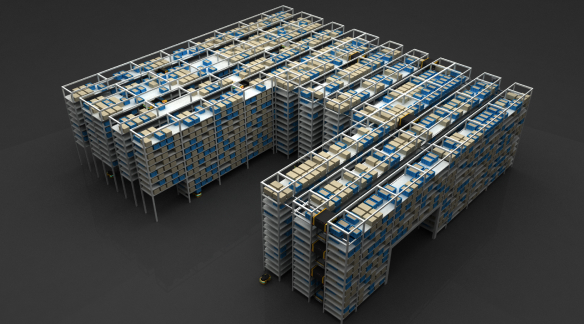
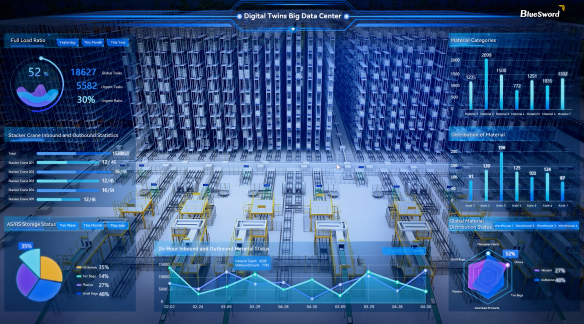
Warehouse automation has become one of the most effective approaches to combine efficiency with sustainability. Automated storage and retrieval systems, four-way pallet shuttles, and case-handling robots coordinate movement, prevent congestion, and align energy consumption with real operational demand. Modern Integrated Material Handling System (IMHS) extend this capability by collecting performance data, forecasting workload peaks, and balancing throughput to reduce waste. These continuous micro-adjustments deliver consistent energy savings over time.
For global supply chains, automation also supports resilience. Disruptions from weather, labor shortages, and energy price changes have made stability a strategic goal. Connected intralogistics systems maintain reliable performance across different regions and temperature conditions. In industries such as cold chain, pharmaceuticals, and e-commerce, this stability ensures both product integrity and lower carbon output.
At BlueSword, sustainability guides every design decision. The company’s high-density storage systems, conveyor system, AMRs, and digital twin software help customers lower energy consumption while improving throughput and reliability. Each installation is engineered for shorter transport paths, reduced transfers, and easier maintenance. These optimizations make environmental goals measurable and achievable within daily operations.
As logistics networks continue to modernize, the connection between automation and sustainability will define the next stage of progress. The foundation of a greener supply chain is built inside the warehouse, where intelligent design and precise control turn environmental intent into lasting efficiency.


If your operation is exploring ways to balance performance with sustainability, our team can help design a solution that fits your goals.
Contact us to start the conversation.
Read More
-

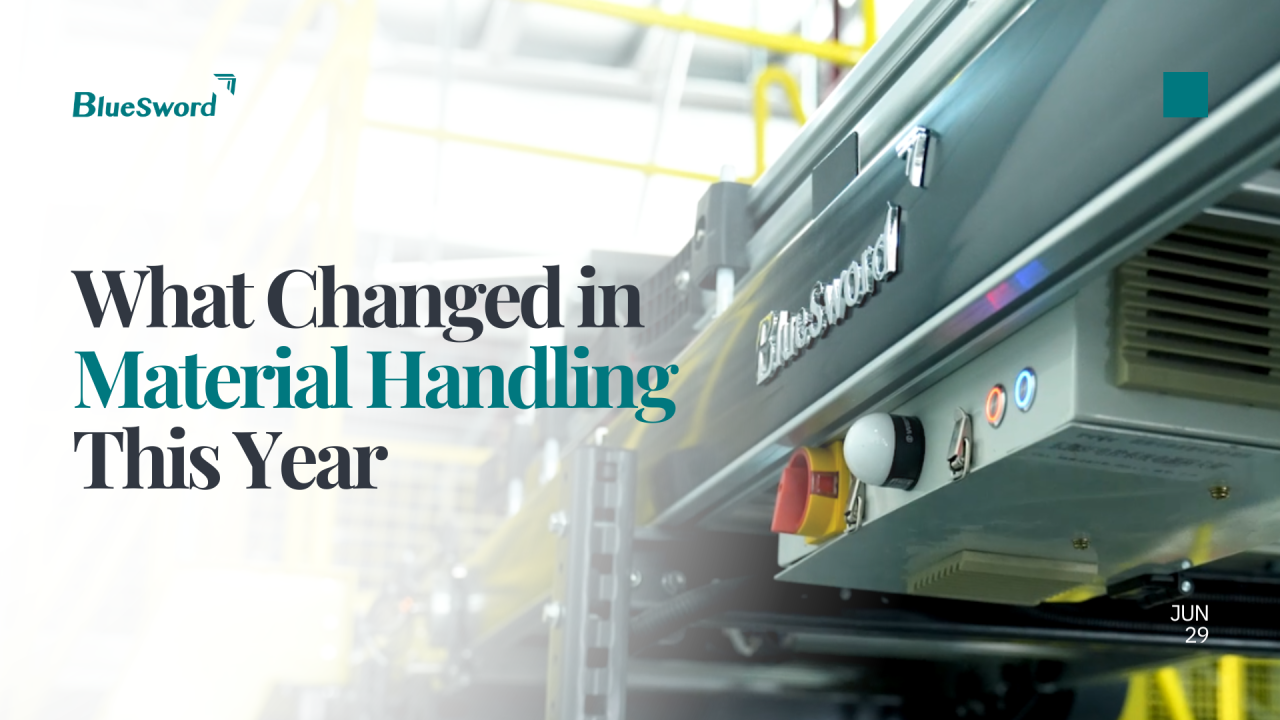 June 29 / 2026Inside the Electronics Factory: What Changed in Material Handling This YearREAD MORE
-
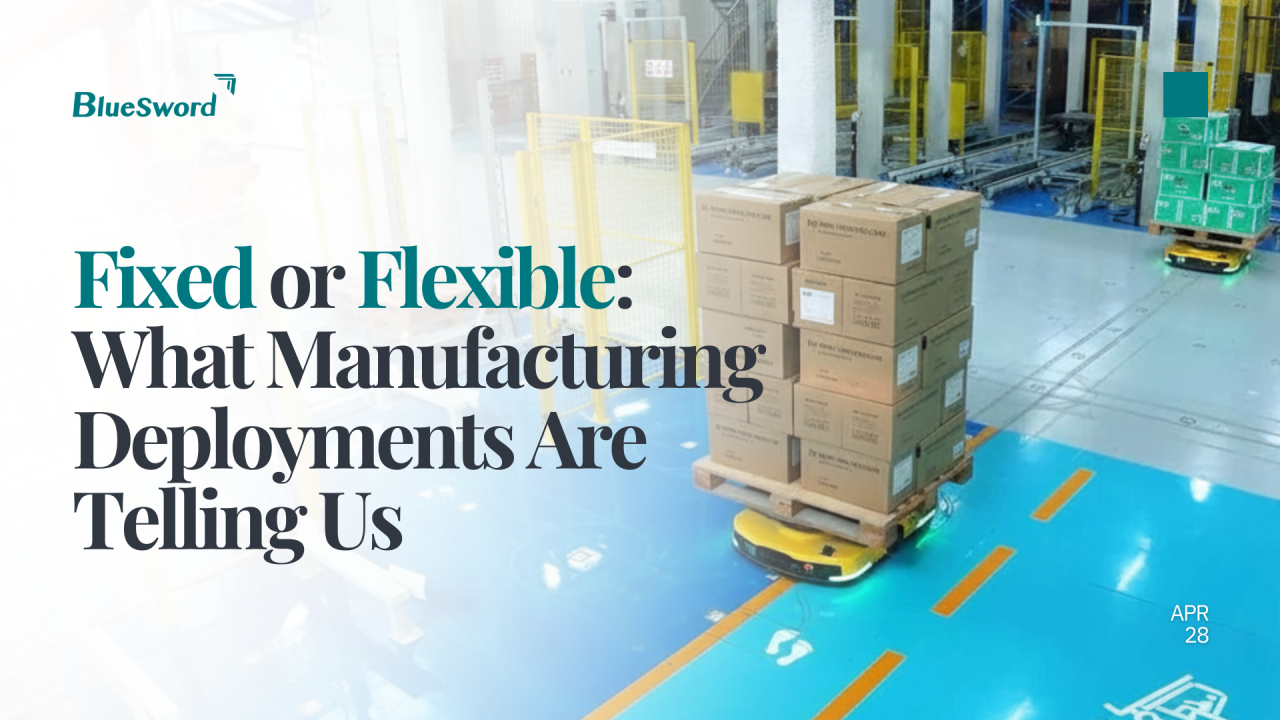 April 28 / 2026Fixed or Flexible: What Manufacturing Deployments Are Telling Us
Fixed infrastructure once defined manufacturing efficiency. But as production cycles shorten and flexibility becomes critical, mobile automation is changing how factories think about material flow.
READ MORE
-
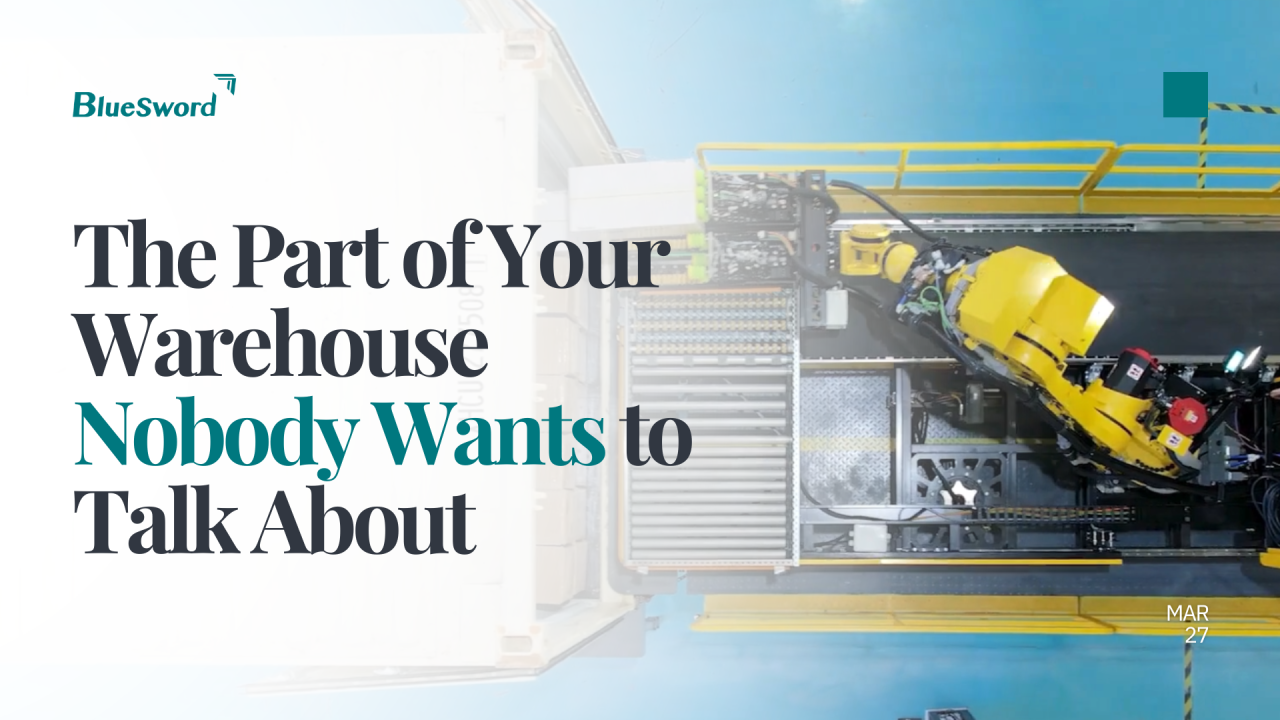 March 27 / 2026The Part of Your Warehouse Nobody Wants to Talk About
The warehouse's biggest bottleneck may not be where you think. BlueSword looks at why the dock is becoming the next frontier of automation.
READ MORE
-
 January 28 / 20262026 Manufacturing Upgrade and Industry Trends
As manufacturers plan toward 2026, automation, smart manufacturing, and integrated material flow are becoming central to capacity and resilience. This article explores industry trends, labor constraints, and how integrated warehouse and production automation help reduce internal logistics losses and support phased manufacturing upgrades.
READ MORE
-
 September 24 / 2025Why Automated Warehousing Matters
Global supply chains face constant disruption. Automation is redefining warehouses as resilient hubs that keep goods moving no matter the challenge.
READ MORE
-
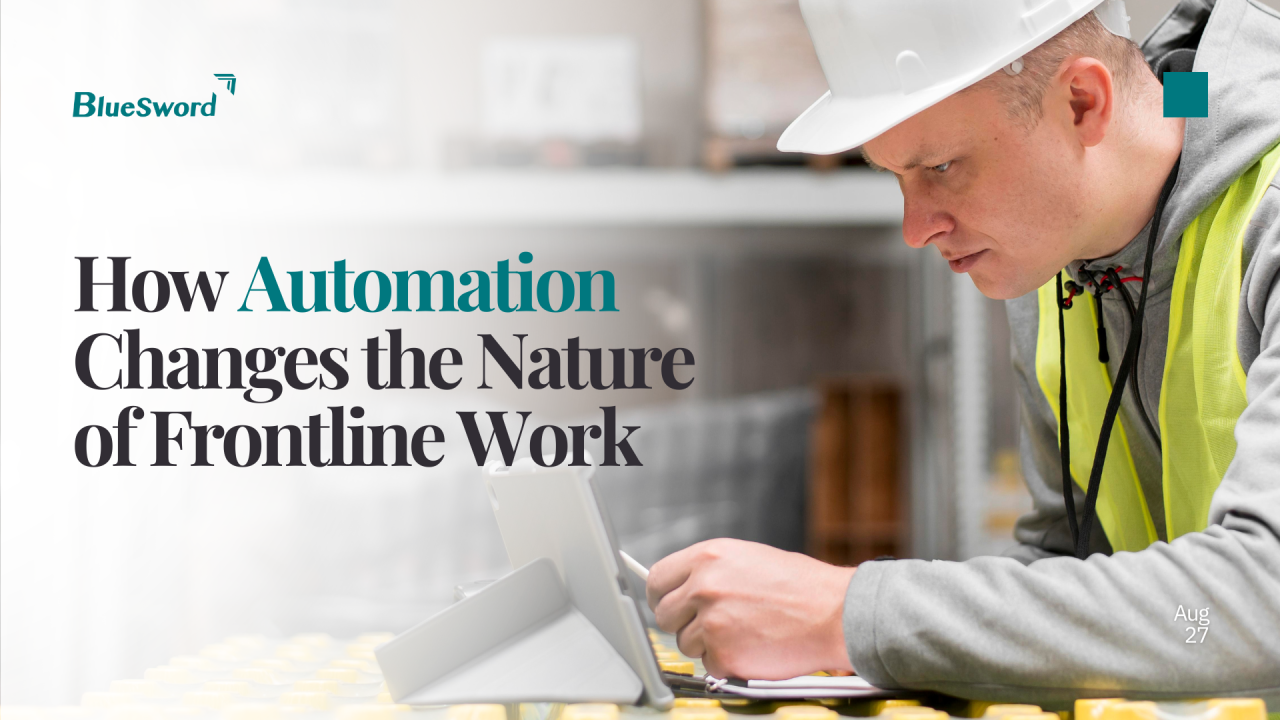 August 27 / 2025How Automation Changes the Nature of Frontline Work: Confidence, Retention, and Workforce Value
Automation is no longer just about efficiency—it’s transforming warehouses and factories into safer, smarter, and more rewarding places to work.
READ MORE
-
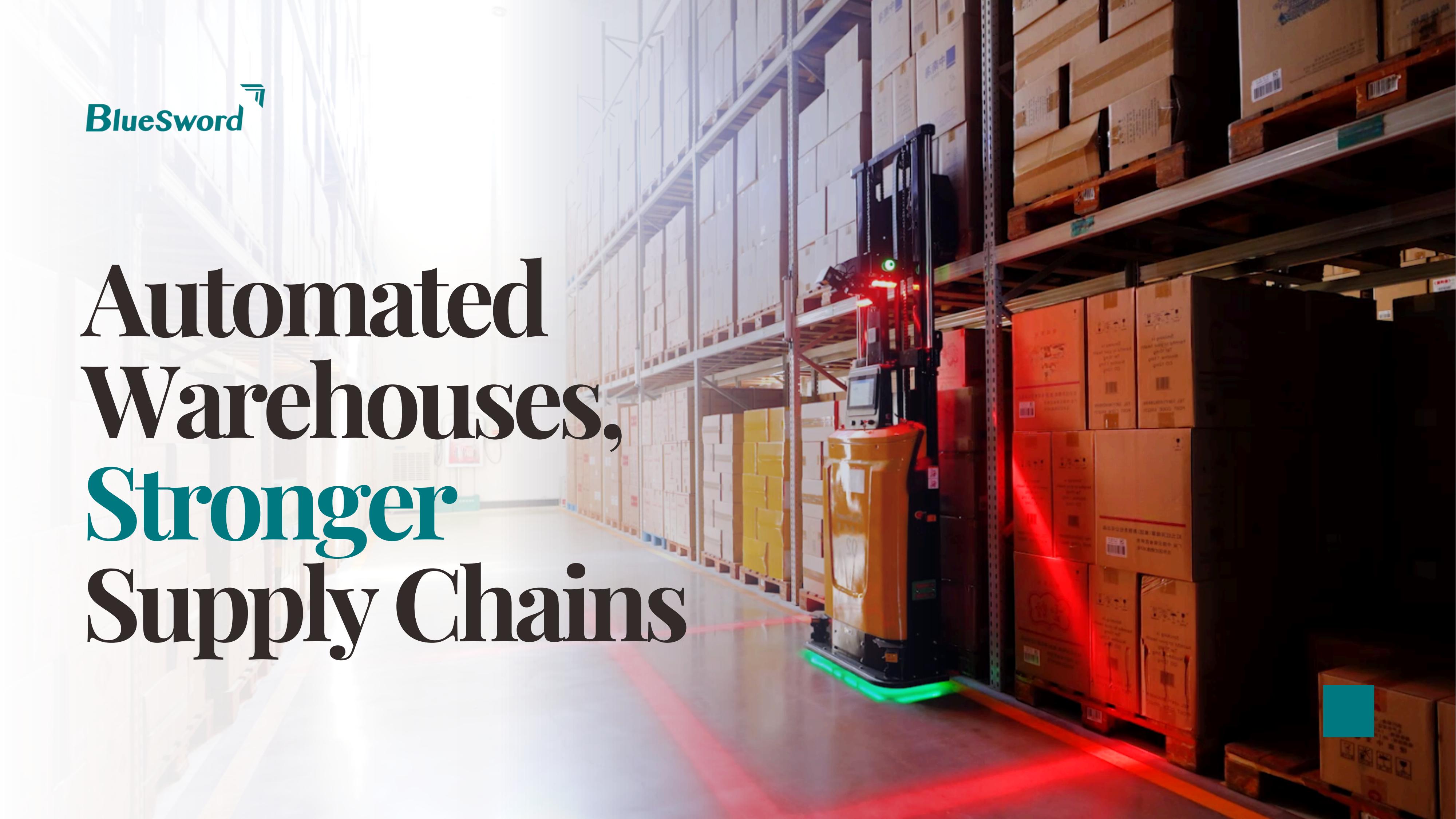 August 19 / 2025Automation in Logistics: Solving Workforce Challenges with Smart Systems
Discover smart logistics solutions with AMRs, shuttle systems, and automated warehouses. Future-proof your supply chain with intelligent intralogistics systems.
READ MORE
-
 July 25 / 2025Robotics Driving Real Safety Transformation in Factories and Warehouses
Safety in factories and warehouses is often discussed in terms of compliance and injury rates. But true safety goes beyond meeting standards. It requires addressing the root causes of risks and understanding how automation reshapes the daily reality for frontline workers—physically and mentally.
READ MORE
-
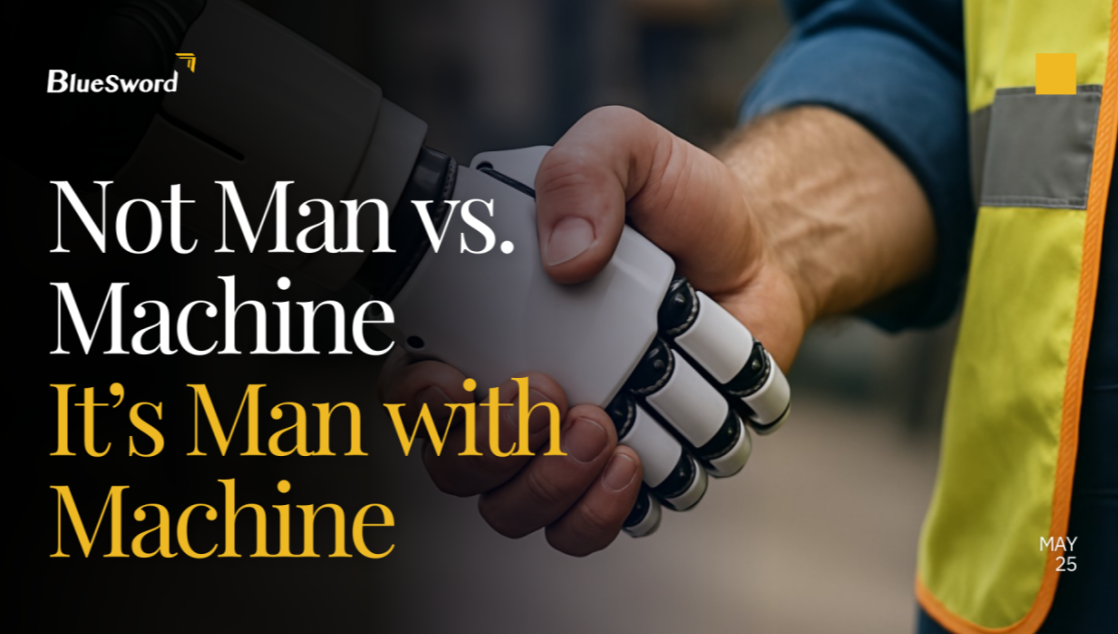 May 25 / 2025Are Warehouse Robots Here to Replace Workers—Or to Back Them Where It Counts?
Automation is advancing fast—but where does that leave the people on the ground? This article explores why the future of warehousing isn't a story of replacement, but one of smart collaboration. With real-world cases from BlueSword and global data, we dive into what human-machine partnerships really look like on the warehouse floor.
READ MORE
-
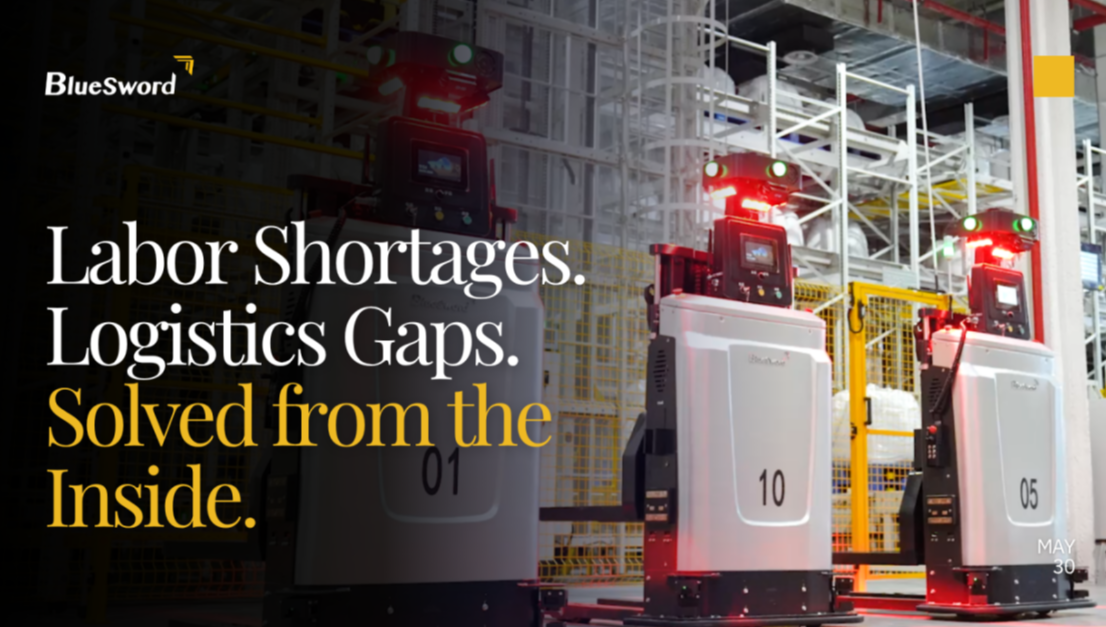 March 30 / 2025What’s Slowing Down Manufacturing—and What Leading Factories Are Doing About It
While automation continues to gain attention across the production line, internal logistics often remains untouched in traditional manufacturing plants.
READ MORE
-
 January 2 / 2025Building a Green Logistics Ecosystem with Servo Technology
The conveyor system is essential in modern production and logistics, facilitating the efficient storage, sorting, handling, and distribution of materials. By automating transport processes, it enhances efficiency, accuracy, and safety while effectively reducing labor costs.
READ MORE
-
 September 29 / 2024Logistics Transformation: Navigating Challenges in the FMCG Industry
Fast-moving consumer goods (FMCG) are an essential part of our everyday lives. With their large market size and ongoing growth, the FMCG industry plays an important role in the global economy.
READ MORE


